
Welcome to a new season of your life. If you’re currently sober and single, it’s easy to feel like you’re in a holding pattern, waiting for the next chapter to begin. But this time isn’t a waiting room—it’s an opportunity for deep healing, personal growth, and rediscovery, all grounded in your faith. This season offers a unique chance to build a solid foundation for your future, far from the chaos that addiction so often creates.
Think of it not as an empty space, but as a time for intentional rebuilding. It’s your moment to find out who you are again, reconnecting with your passions and building an identity in Christ, not in a substance or another person. This journey is about laying the groundwork for a life filled with genuine purpose and connection. You’re not alone in choosing this path; the culture is shifting, creating a more supportive world for those who are sober and single.
When you prioritize your spiritual and personal well-being, you prepare yourself to enter any future relationship from a place of strength, not need. It’s about finding resilience through faith and building a life you truly love, step by step.
Your sobriety is a testament to your strength. This season of being single is an invitation from God to build a life so full of His peace and purpose that a future partner becomes a wonderful addition, not a requirement for happiness.
Let’s explore how faith can become the cornerstone of this empowering process.
Building Your Identity in Christ Before You Date
Before you even start thinking about swiping right or creating a dating profile, there’s a much more fundamental relationship that needs your attention: the one you have with yourself and with God. This season of being sober and single isn’t a waiting room; it’s a precious opportunity to build an unshakeable sense of self on the solid rock of your identity in Christ.
This isn’t about trying to be perfect. It’s about finally, fully accepting the grace and forgiveness He offers freely. The shadows of past mistakes can feel long and dark, but faith gives you a new way to see yourself—through the same lens of grace that God uses. He sees you as worthy, loved, and redeemed. Your value isn’t defined by your past actions or your current relationship status. It’s inherent, simply because you are His.
Replacing Self-Doubt with God’s Truth
One of the most practical things you can do each day is to actively replace the old, destructive self-talk with the life-giving truths found in Scripture. This is the spiritual work that prepares your heart for a healthy relationship down the road. It slowly shifts your focus from seeking validation from another person to resting securely in God’s unconditional love.
When you build your life on this foundation, you enter the dating world not as someone incomplete looking for a missing piece, but as a whole and resilient person ready to share your life.
This inner strength becomes your guide as you learn to navigate being sober and single with confidence and a sense of peace. Your identity in Christ becomes your anchor, holding you steady no matter what relational storms come your way.
Creating Your Sober Social Circle
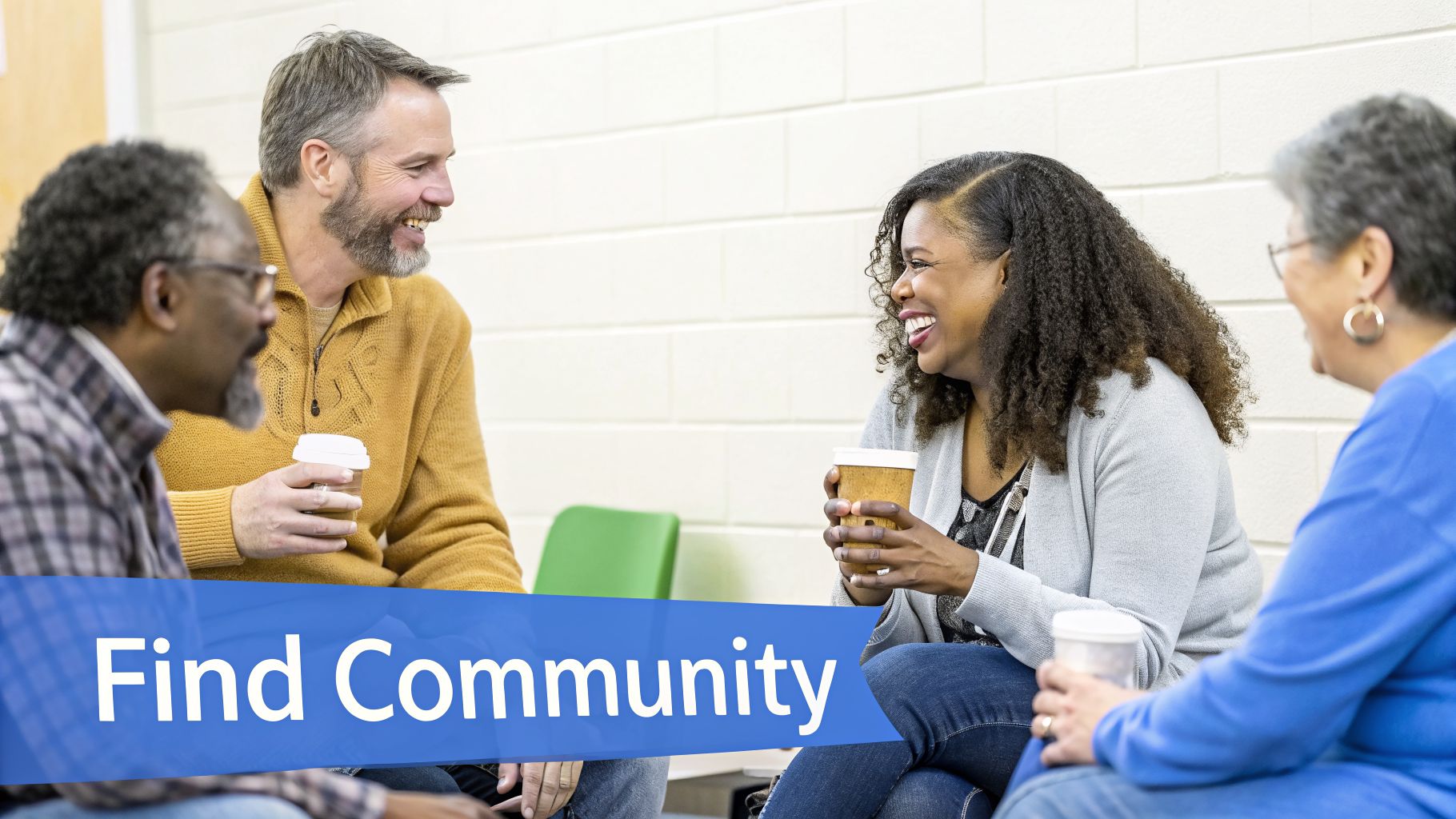
Loneliness can be one of the loudest voices—and biggest triggers—in early recovery. When you’re single and newly sober, it’s all too easy to feel cut off from the world, but you don’t have to walk this path alone. Building a vibrant, supportive social circle that doesn’t revolve around alcohol is one of the most foundational steps you can take to create a life you genuinely love.
This isn’t just about making new friends; it’s about forging real, authentic fellowship. The entire recovery landscape is shifting to recognize this, with systematic reviews showing that sober singles in structured community homes experience significantly fewer relapses, which speaks volumes about the power of connection.
Find Your People and Your Purpose
A crucial part of this process is intentionally placing yourself in environments that feed your spirit and protect your sobriety. These communities offer more than just a safe space; they provide accountability, shared values, and deep friendships with people who truly get it.
- Faith-Based Groups: One of the best things you can do is get involved in a local church, a bible study, or a Christian-based support group such as Celebrate Recovery. These spaces provide a unique blend of spiritual growth and relational support that can anchor your recovery journey.
- Interest-Based Activities: Explore a sober sports league, volunteer for a cause you’re passionate about, or join a creative workshop. Finding people who share your passions builds connections on common ground that has nothing to do with drinking.
The goal is to create a rich, fulfilling life where romance is a potential bonus, not a necessity for happiness.
This network becomes your first line of defense, reinforcing your new identity and holding you up when you feel weak. By building these connections, you also strengthen the web of support for those around you, a dynamic we explore in our guide on family support in addiction recovery.
Dating with Honesty and Courage
Stepping back into the world of dating after getting sober can feel intimidating, but it’s a path you can navigate with both confidence and grace. The first and most important piece of advice is to be open about your journey with those you date. Building a new life on a foundation of truth is not just brave; it’s essential for a healthy relationship.
Now, this doesn’t mean you need to lay out your entire testimony on the first date. Wisdom and discernment are crucial. Pray for the insight to know when and how to share. But from the beginning, be honest with yourself about what you truly need in a partner, someone who won’t just tolerate your sobriety but will genuinely respect and support the new life you’re building.
Seeking a Supportive Partner
Your main goal should be to seek congruence in thinking around addiction and substances. This goes much deeper than just finding a person who doesn’t party. It’s about connecting with someone whose core values align with the life you’re now living. You can start to gauge this with gentle, intentional questions.
For example, instead of a blunt “Do you drink a lot?” you might ask things like:
- “What are some of your favorite ways to unwind or celebrate?”
- “How do you feel about building a life that doesn’t revolve around alcohol?”
Pay close attention to their answers, and even more to the heart behind them. Someone who genuinely values a healthy lifestyle and respects your boundaries will naturally support your sobriety. If you pick up on any hesitation, judgment, or a fundamental disconnect in values, trust that feeling. Your hard-won peace is a precious gift, and it is absolutely worth protecting.
Protecting Your Recovery While Dating
Stepping back into the dating world when you’re sober and single can feel like navigating a minefield. From the casual pressure to have a drink at a restaurant to the emotional rollercoaster of a new romance, it’s easy to feel like your hard-won peace is at risk.
But protecting your recovery isn’t about living in fear. It’s about moving forward with wisdom and having a solid plan in place. This mindset turns being single from a time of waiting into a season of genuine empowerment. There’s a growing cultural shift happening, with more and more resources and environments supporting a sober lifestyle.
Creating Your Personal Safety Plan
Your most powerful tool in this season is a personalized relapse prevention plan. Think of it as your roadmap, helping you explore dating without ever losing sight of your sobriety.
- Plan Sober Dates: Get creative and brainstorm genuinely fun date ideas that don’t revolve around alcohol. Think about going for a hike, exploring a museum, finding a new coffee spot, or even taking a cooking class together.
- Have an Exit Strategy: Before you go on any date, know exactly how you’ll leave if you feel triggered or uncomfortable. This can be as simple as driving yourself so you aren’t dependent on someone else, or having a friend ready for a check-in call.
- Identify Your Support: Know who you’re going to call the moment you feel vulnerable. Keep the numbers for your sponsor, a trusted friend from church, or a supportive family member easily accessible.
When you take this proactive approach, you empower yourself to build new relationships from a foundation of strength and security. You can find more strategies in our comprehensive guide on addiction recovery and relapse prevention.
Your Questions About Sober Dating Answered
Dating in recovery can feel like navigating uncharted territory. It’s natural to have questions as you figure out how to build healthy, God-honoring relationships while protecting the new life you’ve worked so hard for. Let’s tackle some of the most common concerns.
How Soon Is Too Soon to Date?
Most recovery experts recommend waiting at least one full year before you even think about dating. This isn’t an arbitrary rule. Your first year of sobriety is a sacred and critical time for healing, discovering who you are without substances, and building a rock-solid foundation for your future.
Jumping into a romance too soon can seriously complicate that process, introducing emotional highs and lows that can put your recovery at risk. Use this first year to build a strong community and fall in love with the person God is shaping you to be. When you feel stable, confident in your sobriety, and deeply rooted in your identity in Christ, that’s a good sign you’re getting ready.
What if I’m Attracted to Someone Who Drinks?
This is a situation that calls for radical honesty with yourself and a lot of wisdom. The key isn’t necessarily whether they drink at all, but whether they genuinely respect and support your sobriety without question. Are they excited to build a life with you where alcohol isn’t the main event?
Someone who has a glass of wine with dinner and completely honors your boundaries is a world away from someone whose entire social life revolves around bars and parties. If you feel your inner peace disturbed or your sobriety threatened in any way, it’s always wisest to step away. Your recovery is far too precious to compromise.
How Can Faith Help with Loneliness?
Loneliness can be one of the toughest parts of being single in recovery, but your faith is the most powerful resource you have to fight it. Finding your identity in Christ is a constant, unshakable reminder that you are never truly alone and are loved unconditionally by God. Practically, this means leaning hard into prayer, scripture, and your faith community.
This season is an invitation to go deeper in your relationship with God, who can fill the empty places in your heart in a way no person ever could. This is the time to join a small group at church or a ministry like Celebrate Recovery to build friendships that truly nourish your spirit.
If you’re looking for guidance on this journey, the team at Grace Recovery Services is here to help. We offer compassionate, evidence-based care that can be integrated with Christian principles to support your recovery. Learn more at https://www.gracerecoveryservices.org/contact/