Is Someone You Love Struggling? How to Recognize the Signs and Symptoms of Substance Use Disorder
The signs and symptoms of substance use disorder can show up long before a crisis hits — and knowing what to look for can make all the difference.
Here are the most common signs to watch for:
- Loss of control — using more than intended, or for longer than planned
- Failed attempts to stop — trying to cut back but being unable to
- Cravings — strong urges to use that are hard to ignore
- Neglecting responsibilities — missing work, school, or family obligations
- Continued use despite harm — keeping on even when it’s causing problems
- Withdrawal symptoms — feeling sick or anxious when not using
- Increased tolerance — needing more of the substance to get the same effect
- Giving up activities — pulling away from hobbies, friendships, or things once loved
- Risky behavior — using in dangerous situations, like while driving
- Social problems — conflicts with family, friends, or coworkers tied to use
- Spending excessive time — much of daily life revolving around getting or using a substance
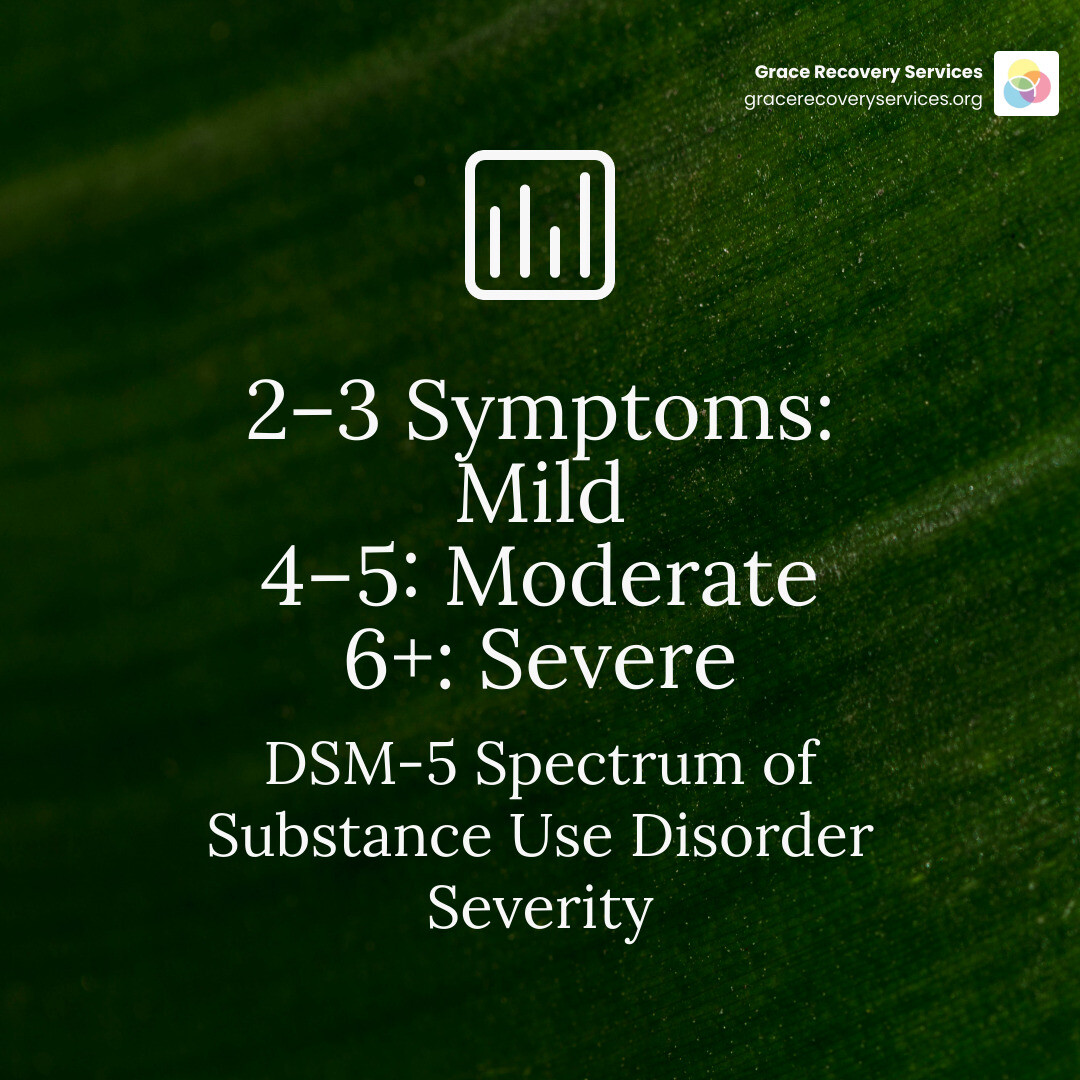
According to the DSM-5 (the standard diagnostic manual used by clinicians), experiencing 2 or more of these signs within a 12-month period may indicate a substance use disorder. Severity is measured on a spectrum:
| Number of Symptoms | Severity Level |
|---|---|
| 2–3 symptoms | Mild |
| 4–5 symptoms | Moderate |
| 6 or more | Severe |
Substance use disorder doesn’t always look the way people expect. It rarely announces itself loudly. More often, it quietly reshapes a person’s life — their relationships, their routines, their sense of self — before anyone recognizes what’s happening. Whether you’re worried about someone you love or quietly questioning your own patterns, you’re not alone, and recognizing the signs early is one of the most hopeful things you can do.
I’m Stephen A. Luther, MSEd, MEd, LPC, a licensed professional counselor and the founder of Grace Recovery Services in Western Pennsylvania, and I’ve spent decades helping individuals and families navigate the signs and symptoms of substance use disorder with compassion, clinical care, and faith-centered support. In this guide, I’ll walk you through everything you need to know — clearly and without judgment — so you can take the next right step.
Understanding Substance Use Disorder (SUD)
At its core, substance use disorder (SUD) is a chronic, relapsing brain disease. It isn’t a moral failure or a lack of willpower; it is a complex condition that fundamentally alters how the brain functions. From a trauma-informed perspective, we often see that substance use begins as a way to cope with deep-seated relational wounds or painful life experiences.
When a person uses a substance, the brain’s reward system is flooded with dopamine—the “feel-good” chemical. Over time, the brain begins to prioritize the substance over natural rewards like food, connection, and joy. This shift in brain health creates a cycle where the person feels they need the substance just to feel “normal.”
At Grace Recovery Services, we believe in a holistic approach to wellness. True recovery involves a mind-body-spirit connection. We don’t just look at the usage patterns; we look at the whole person. Understanding the Facts Of Addiction helps us move from shame to grace, focusing on restoration and renewal rather than punishment.
The 11 DSM-5 Signs and Symptoms of Substance Use Disorder
To help families and individuals understand where they stand, the American Psychiatric Association outlines 11 specific criteria in the DSM-5. These are the gold standard for identifying the signs and symptoms of substance use disorder.
| Category | Signs and Symptoms |
|---|---|
| Impaired Control | Using more than intended; wanting to cut back but failing; spending lots of time getting/using; intense cravings. |
| Social Impairment | Failing to meet work/home obligations; social or interpersonal problems; giving up important activities. |
| Risky Use | Using in physically dangerous situations; continued use despite known physical/psychological problems. |
| Pharmacological | Tolerance (needing more for the same effect); Withdrawal (physical/mental illness when stopping). |
A clinical diagnosis is more than just a checklist; it’s a way to understand the Substance Use Disorder (SUD): Symptoms & Treatment needed for each unique individual. Whether it is mild or severe, there is always a path toward healing.
Physical signs of substance use disorder
While behavioral changes often come first, the body eventually tells the story. Physical Signs Of Substance Abuse can vary depending on the substance, but common indicators include:
- Bloodshot eyes or changes in pupil size: Pinpoint pupils are common with opioids, while dilated pupils may suggest stimulants.
- Weight fluctuations: Rapid weight loss or gain that can’t be explained by diet or exercise.
- Sleep disturbances: Staying up for days at a time or sleeping excessively during the day.
- Low energy: A persistent state of lethargy or “nodding off” in social settings.
- Poor hygiene: A sudden lack of interest in grooming, clean clothes, or dental care.
Behavioral and psychological shifts
These are often the “early warning sirens.” You might notice a loved one becoming uncharacteristically irritable or experiencing extreme mood swings. Chronic dishonesty—lying about where they’ve been or how much they’ve spent—is a hallmark of the disorder.
Secretive behavior, like locking doors or hiding phone screens, often accompanies a sudden withdrawal from family life. We often see clients struggling with increased anxiety or depression as the substance begins to deplete their natural ability to regulate emotions. This isolation isn’t because they don’t love their family; it’s because the disorder has created a barrier of shame.
How Symptoms Vary by Substance
The signs and symptoms of substance use disorder can look different depending on what is being misused. In Western Pennsylvania, we have seen the devastating impact of the opioid epidemic firsthand.
- Alcohol Misuse: This remains the most common SUD in the U.S. Signs include smelling of alcohol, slurred speech, and “blackouts.”
- Opioids & Prescription Painkillers: These can cause slowed breathing, constipation, and a distinct “drowsy” appearance. Addiction can develop in as little as five days of misuse.
- Stimulants (Cocaine/Meth): Signs include high energy, decreased appetite, paranoia, and rapid heart rate.
- Marijuana: Frequent use may lead to impaired memory, slow reaction times, and a lack of motivation.
- Synthetic Drugs (K2/Spice/Bath Salts): These are particularly dangerous because their chemical makeup is unpredictable, often leading to violent behavior or seizures.
- Inhalants: Look for “glue sniffer’s rash” around the mouth or a chemical smell on the breath.
For a deeper medical dive, the Drug addiction (substance use disorder) – Symptoms and causes – Mayo Clinic provides extensive details on substance-specific reactions.
Recognizing Subtle Warning Signs in Loved Ones
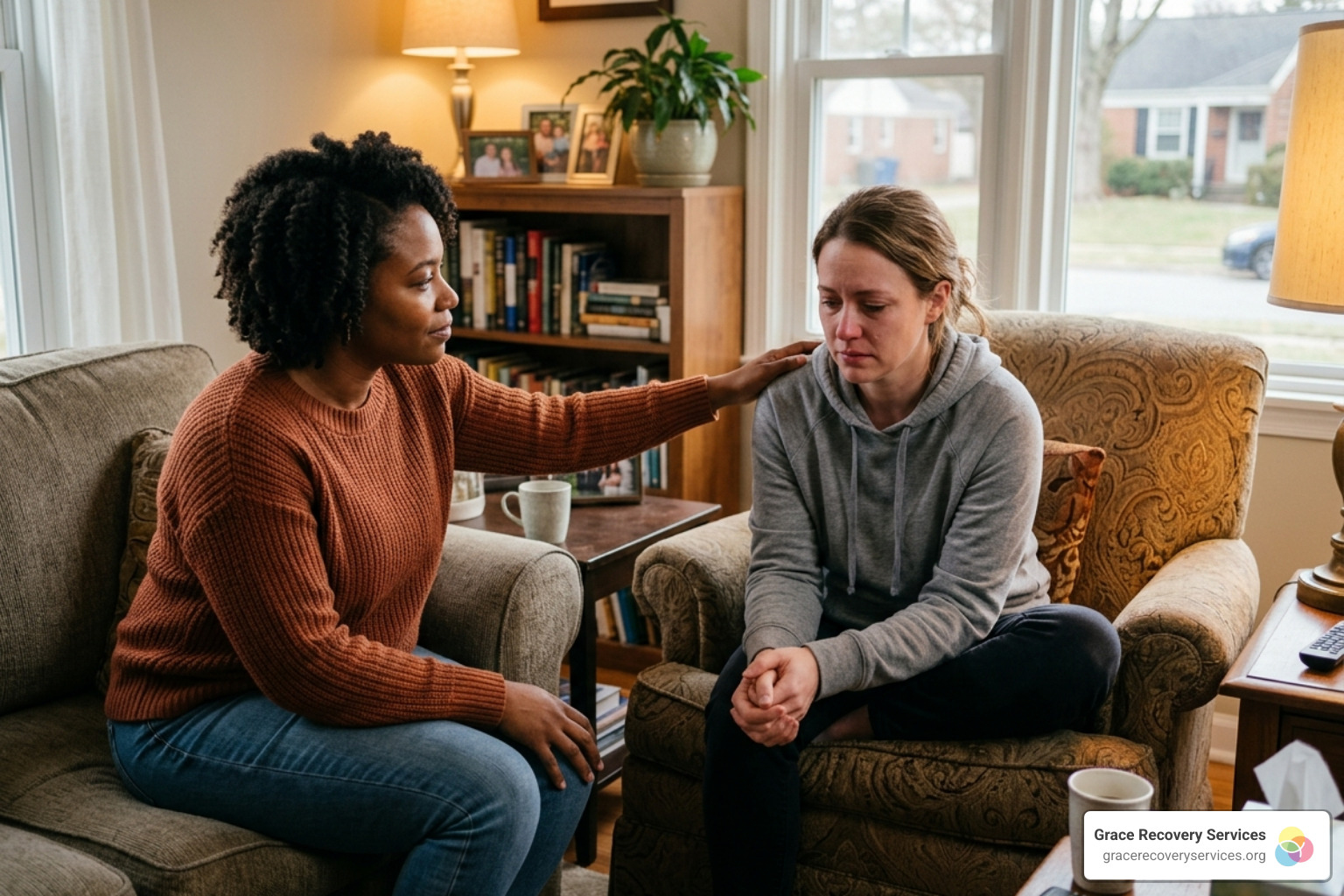
If you are a friend or family member, you might notice things that don’t quite add up. It starts with subtle shifts. Maybe your loved one is suddenly asking for money more often, or you notice small, valuable items missing from the home.
You might see a shift in their social circles—hanging out with new “friends” while neglecting long-term relationships. Their performance at work or school in Pittsburgh or North Huntingdon may begin to slip, and hobbies they once loved are now forgotten. A defensive attitude when asked about these changes is a major red flag.
Early signs and symptoms of substance use disorder
Catching these signs early can prevent the progression from mild to severe. Watch for:
- Routine changes: Skipping dinner, staying out late, or changing sleep patterns.
- Hidden paraphernalia: Finding burnt foil, small baggies, cut straws, or unexplained medicine bottles.
- Subtle withdrawal: Being “sick” (flu-like symptoms) frequently, which may actually be the early stages of withdrawal.
- Increased secrecy: Using cover-ups like excessive breath mints, perfume, or sunglasses indoors.
Understanding the Types Of Substance Use Disorders And How To Treat Them is the first step in moving from suspicion to support.
Finding Hope and Healing in Western Pennsylvania

If you recognize these signs and symptoms of substance use disorder in yourself or a loved one, please know that hope is not lost. Recovery is a journey of restoration. In the Pittsburgh area, there are immediate resources available, such as the 988 Crisis Line and SAMHSA’s National Helpline.
At Grace Recovery Services, we provide a non-judgmental environment where we combine biblical principles of hope with evidence-based clinical care. We believe in family restoration—healing the relational wounds that addiction often leaves behind. Whether through our Intensive Outpatient Program (IOP) or Christian counseling, we are here to walk beside you.
Frequently Asked Questions about Substance Use
When is it time to seek professional help for substance use?
It is time to seek help the moment substance use begins to interfere with your quality of life. You don’t have to hit “rock bottom” to reach out. If you find you cannot stop despite wanting to, or if your physical health and relationships are suffering, a professional assessment is the next right step.
What is the difference between intoxication and withdrawal symptoms?
Intoxication is the “high” or the immediate effect of the drug on the brain (e.g., slurred speech, euphoria, or impaired coordination). Withdrawal occurs when the substance leaves the body, and the brain struggles to adjust. Withdrawal symptoms can be dangerous and include tremors, sweating, anxiety, nausea, or even seizures.
What are the most common risk factors for developing a substance use disorder?
While anyone can develop an SUD, common risk factors include a family history of addiction, early exposure to drugs or alcohol, high levels of stress, and co-occurring mental health disorders like anxiety or PTSD. Trauma is also a significant factor, which is why our care is always trauma-informed.
Conclusion
The signs and symptoms of substance use disorder can feel overwhelming, but they are simply indicators that it’s time for a change. At Grace Recovery Services, we are committed to providing the community of Western Pennsylvania—from Penn Hills to North Huntingdon and beyond—with a path toward renewal.
Our faith-based approach ensures that you are treated with the dignity and grace you deserve. We offer trauma-informed outpatient care, including Intensive Outpatient Programs (IOP), designed to heal the mind, body, and spirit.
If you or a loved one are ready to start the journey of recovery, we invite you to reach out. There is no shame here—only the promise of a fresh start. More info about our services is available to help you understand how we can support your unique path to sobriety. You are not alone; let us walk this road with you.
This article was researched with AI and heavily edited by Stephen Luther for accuracy and relevance.
Stephen Luther is the Executive Director and Founder of Grace Christian Counseling, Grace Recovery Services, WPA Counseling, NuWell Online Counseling and Coaching, and NuWell Health. He holds a Master’s degree in Education from the University of Georgia and a Master’s degree in Marriage and Family Therapy from Duquesne University. He is a licensed professional counselor in Pennsylvania.
Since 1997, Steve has been helping children, adolescents, and adults overcome a wide range of emotional and relational challenges. He specializes in working with hurting families, including those with foster, adopted, or traumatized children. Steve uses Attachment-Based Therapy, Splankna Healing, and Therapeutic Parent Coaching to support healing and restoration.
This guide is for educational and spiritual encouragement and is not a substitute for personalized professional counseling. If you are in crisis, please reach out for immediate help.