Understanding Bible Based Trauma Healing
It is estimated that at least 70% of people will experience a traumatic event at some point in their lifetime. Trauma is best understood as a deep wound of the heart and mind caused by sudden, life-threatening, or overwhelming events that shatter safety and trust. When individuals go through intense suffering, human coping mechanisms can easily become overwhelmed.
At its core, Bible based trauma healing is an approach that brings together biblical engagement and evidence-based mental health principles to create a safe space for recovery. Pioneered globally by organizations like the Trauma Healing Institute, this model recognizes that true restoration must address the heart, mind, body, and spirit.
In our practice, we see how trauma and substance use disorders are frequently interconnected. When emotional heart wounds remain untreated, individuals often seek relief through alcohol or substances to soothe unbearable pain. Through structured faith-based trauma recovery, clients learn that their emotional pain can be brought safely out into the open, brought before God, and processed alongside compassionate care.
How Bible Based Trauma Healing Integrates Faith and Psychology
Combining faith and clinical care is not about choosing prayer over counseling; it is about recognizing how God designed our physical bodies and emotional health to work together. Sound psychological care emphasizes emotional regulation, nervous system safety, and somatic self-soothing, while Scripture provides ultimate meaning, eternal hope, and divine relationship.
In a framework that integrates clinical tools with biblical truths, clients benefit from:
- Psychological Safety: Establishing safe boundaries where painful memories can be gently processed without retraumatization.
- Trauma-Informed Care: Understanding how severe stress alters memory processing, bodily tension, and emotional reactivity.
- Scripture Engagement: Anchoring healing in God’s promises of comfort, forgiveness, and renewal rather than relying on human willpower alone.
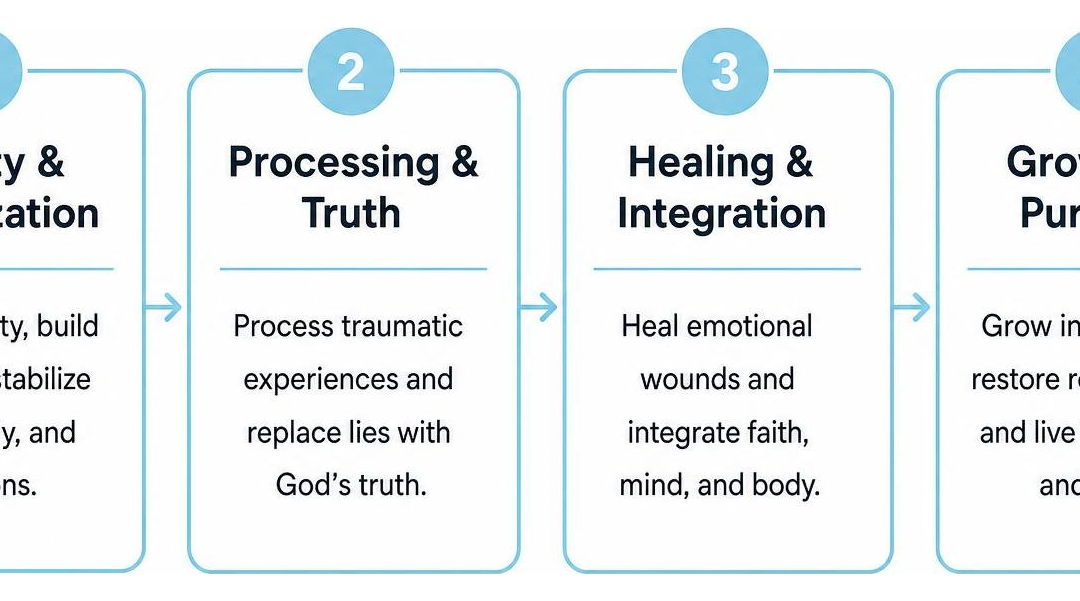
At Grace Recovery Services, our care model incorporates a four-stage Counseling Blueprint:
- Take Off the Mask: Creating a safe atmosphere where clients can drop pretense and admit where they are hurting.
- Heal the Wounds: Identifying and processing underlying trauma, loss, and emotional heartbreak.
- Remove the Toxins: Clearing away toxic shame, destructive behavioral cycles, and unhealthy coping mechanisms.
- Replace with Truth: Internalizing biblical identity, sober coping habits, and practical life skills.
Recognizing Signs and Symptoms of Trauma
Trauma manifests differently across adults and children, affecting physical health, thoughts, emotions, and spiritual trust. Recognizing these indicators is the first step toward seeking appropriate care.
Common Trauma Symptoms in Adults
- Hypervigilance: Feeling constantly on guard, jumpy, or unable to relax.
- Emotional Numbness: Struggling to feel joy, intimacy, or connection with loved ones.
- Intrusive Memories: Experiencing vivid flashbacks, distressing dreams, or sudden emotional triggers.
- Physical Distress: Chronic exhaustion, muscular tension, digestive issues, or difficulty sleeping.
- Complicated Grief & Shame: Believing that God has abandoned them or feeling unearned guilt over the event.
Common Trauma Shifts in Children
- Behavioral Shifts: Sudden outbursts, aggression, or unexpected regression (e.g., bedwetting).
- Developmental Distrust: Clinginess, separation anxiety, or withdrawal from play and social activities.
- Somatic Complaints: Frequent unexplainable stomachaches or headaches linked to emotional fear.
biblical Foundations for Processing Suffering and Grief
When trauma strikes, sufferers often ask, “If God loves me, why did this happen?” Scripture does not hide from this painful question. The Bible contains entire books and passages dedicated to processing disorienting loss and heartbreak.
The Book of Job offers a profound psychological narrative of sudden devastation. Job lost his children, health, and livelihood. While his friends offered unhelpful theological lectures and blamed Job for his misery, Job cried out directly to God in raw frustration. God defended Job’s vulnerability and validated his desire for honest dialogue, demonstrating that bringing anger and pain to Him is not a lack of faith—it is an act of deep trust.
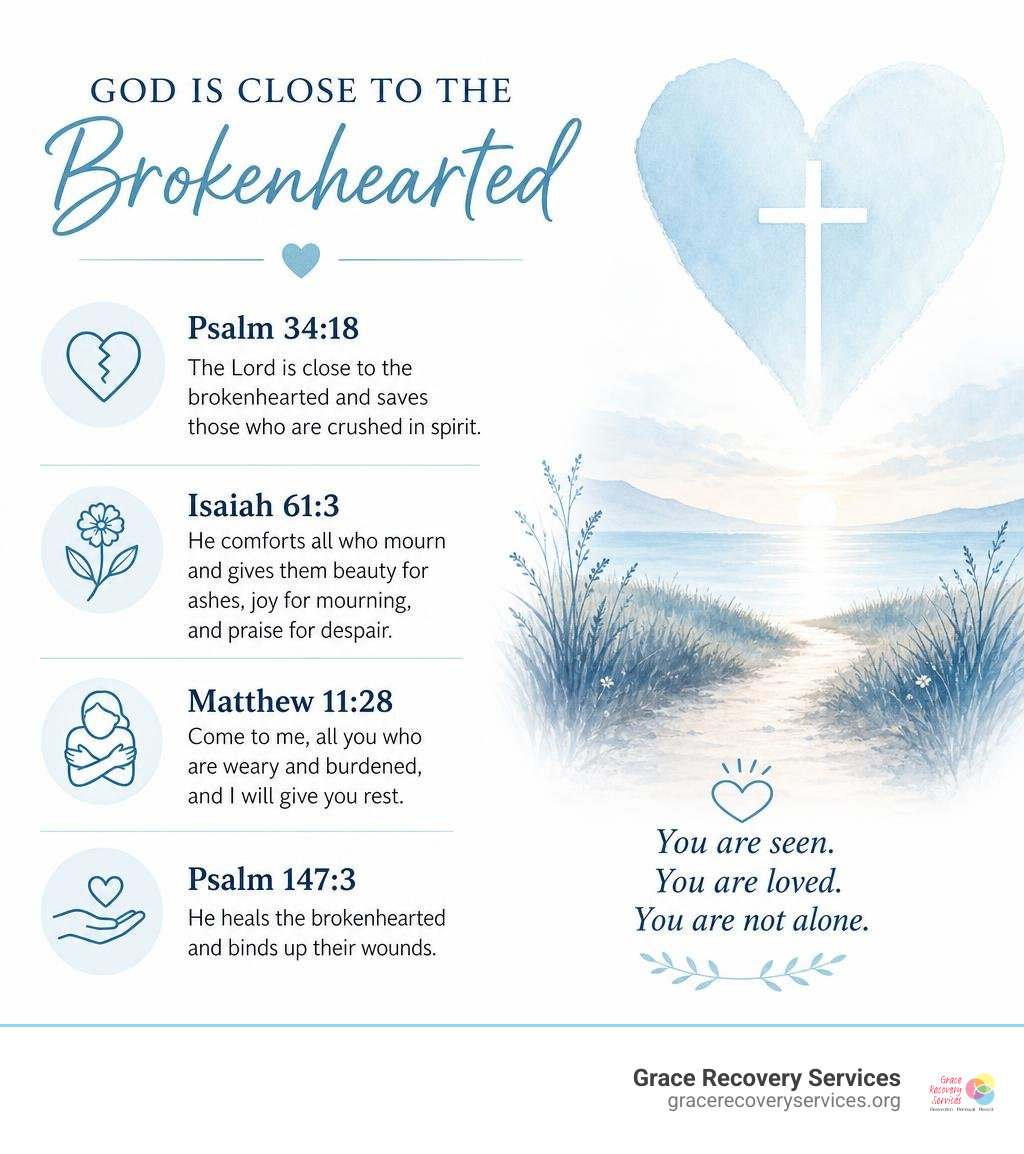
Similarly, Jesus demonstrated complete compassion toward suffering. On the cross, He personally bore the physical violence, rejection, and trauma of humanity. He wept at the tomb of Lazarus and drew near to those who were isolated by society. Knowing that God is close to the brokenhearted and these verses prove it helps clients move away from feeling punished toward resting in divine presence. As explored in resources like When It’s Trauma: A biblical Guide to Understanding Trauma and Walking Faithfully with Sufferers – The Gospel Coalition, Jesus walks alongside us through the ruins of suffering to offer true restoration.
Scripture for Renewal and Sober-Minded Recovery
Trauma can cause the mind to get stuck in rumination loops—reliving past painful memories over and over. Engaging with biblical truths helps break these negative patterns by renewing the mind with grounded hope.
Practices like psalmody—singing or reciting Psalms out loud—offer both somatic and spiritual benefits. Singing regulates breathing, calms bodily arousal, and replaces fearful thoughts with God’s truth. When individuals actively learn to renew your mind with these powerful Bible verses, they build real spiritual strength for lasting recovery.
The Role of Small Groups, Facilitators, and Community Care
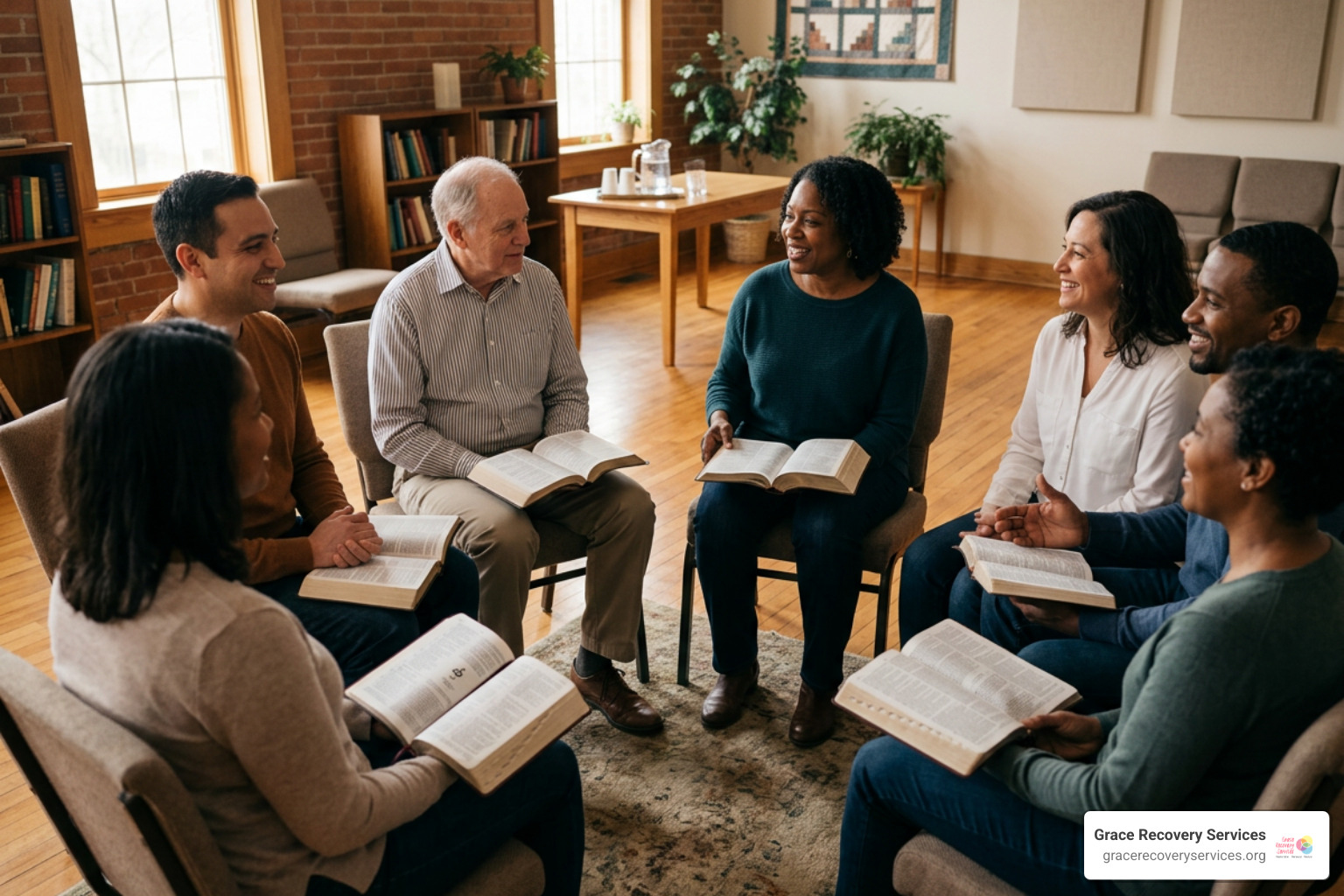
Trauma isolates. It tells a person that no one else understands their pain, making them pull away from family, friends, and faith communities. Safe small groups led by empathetic, trained facilitators play a major role in breaking this cycle of isolation.
In a well-facilitated group environment, clients find:
- Active Listening: A space where stories are received with deep empathy rather than immediate unsolicited advice.
- Shared Healing: Discovering that others have walked through similar pain and emerged stronger.
- Emotional Boundaries: Leaders who maintain healthy empathy while avoiding emotional enmeshment, ensuring every client feels secure.
Overcoming Trauma-Related Isolation in Church Settings
Well-meaning ministry environments can accidentally cause distress when they offer superficial spiritual platitudes like “just pray more” or “rejoice in all things.” Someone whose safety has been shattered cannot simply turn off their hypervigilance.
Churches and recovery communities must cultivate trauma-informed environments that respect boundaries and allow time for healing. To understand why emotional wounds require gentle, comprehensive care, explore why your trauma needs a holistic approach to healing.
Evidence and Outcomes of Scripture-Guided Recovery Programs

Integrative trauma care is supported by significant empirical research. Studies conducted in correctional institutions, community groups, and specialized care programs show that blending biblical engagement with trauma-informed care yields measurable psychological and emotional restoration.
Evidence for Bible Based Trauma Healing Programs
Research partnerships involving the Baylor University Institute for Studies of Religion and the American Bible Society evaluated the impact of 5-day trauma healing groups led for 349 incarcerated clients. Pre-program evaluations revealed that 86% of clients had experienced at least one major traumatic event in their lives.
Follow-up evaluations conducted three months after completing the program revealed impressive, lasting outcomes:
- Decreased PTSD Symptoms: Clients experienced a sustained reduction in post-traumatic stress symptoms, anxiety, and intrusive thoughts.
- Improved Emotional Health: Clients exhibited increased emotional stability, compassion, and forgiveness toward others and themselves.
- Spiritual Purpose: Attendance led to an improved attitude toward God and the Bible, as well as an increased sense of personal direction and meaning.
Similar broad outcomes have been documented in community settings. For example, since launching localized training initiatives in Scotland, over 375 facilitators have been trained, establishing more than 105 healing groups that served over 875 clients. Further clinical frameworks, such as those detailed in Restoring the Shattered Self, highlight how structured trauma processing helps individuals consolidate painful memories and achieve long-term emotional peace.
Launching and Supporting Faith-Based Trauma Programs
To effectively serve individuals suffering from trauma and addiction, churches and community ministries can implement structured curricula like Healing the Wounds of Trauma. It is vital to understand the distinct roles played by small group lay facilitators compared to licensed clinical therapy programs.
| Feature | Lay Facilitator Small Groups | Clinical Outpatient Counseling |
|---|---|---|
| Primary Focus | Peer connection, Scripture engagement, and group processing. | Diagnostic assessment, clinical trauma therapy, and individual care. |
| Format | Participatory group meetings using practical workbooks. | One-on-one or clinical group therapy with specialized professionals. |
| Facilitator Training | Trained lay volunteers or ministry leaders. | Licensed mental health clinicians and addiction counselors. |
| Scope of Care | Heart-wound processing and spiritual encouragement. | Treatment for complex C-PTSD, severe clinical trauma, and substance use disorders. |
| Referral Needs | Refers individuals with severe crises to specialized care. | Provides comprehensive treatment and outpatient recovery plans. |
Starting a local group involves a structured training model:
- Initial Training: Equipping leaders with basic mental health principles and safe group practices.
- Practicum Phase: Leading healing groups under the guidance of experienced trainers.
- Advanced Certification: Certifying leaders to train additional facilitators in their communities.
Frequently Asked Questions about Bible-Based Trauma Healing
How does Bible-based trauma healing help with addiction recovery?
Behavioral modification alone rarely solves substance use disorder because it does not address the underlying emotional distress. True recovery happens when the root pain is addressed. By taking off the mask and acknowledging heart wounds, clients find relief from past grief, reducing the drive to self-medicate with substances. Learn more in our step-by-step guide to healing from addiction and trauma.
What is the difference between secular trauma care and biblical trauma recovery?
Secular trauma care focuses primarily on nervous system regulation, cognitive reframing, and symptom reduction. While biblical trauma recovery utilizes these exact clinical tools, it goes further by addressing spiritual identity, divine connection, and eternal hope, helping individuals experience holistic restoration across mind, body, and spirit.
Can local church members facilitate trauma healing groups safely?
Yes, provided they receive proper facilitator training and follow structured curricula. Training teaches lay leaders how to establish safe emotional boundaries, avoid giving direct medical advice, and recognize when a client requires a referral to professional clinical outpatient care.
Conclusion

Trauma can leave deep wounds, but you do not have to carry the burden of past pain alone. Through Bible based trauma healing, individuals can experience profound emotional restoration by bringing their honest grief into safe, supportive environments grounded in God’s love.
At Grace Recovery Services, we walk alongside clients in Western Pennsylvania—including our offices in the Pittsburgh area (Penn Hills) and North Huntingdon—offering compassionate, outpatient faith-based addiction recovery and trauma-informed care. If you or a loved one is ready to process past wounds and build a sober, purposeful future, please reach out to our team today for a confidential, personalized assessment.
Explore Grace Recovery Services programs
This article was researched with AI and heavily edited by Stephen Luther for accuracy and relevance.
Stephen Luther is the Executive Director and Founder of Grace Christian Counseling, Grace Recovery Services, WPA Counseling, NuWell Online Counseling and Coaching, and NuWell Health. He holds a Master’s degree in Education from the University of Georgia and a Master’s degree in Marriage and Family Therapy from Duquesne University. He is a licensed professional counselor in Pennsylvania.
Since 1997, Steve has been helping children, adolescents, and adults overcome a wide range of emotional and relational challenges. He specializes in working with hurting families, including those with foster, adopted, or traumatized children. Steve uses Attachment-Based Therapy, Splankna Healing, and Therapeutic Parent Coaching to support healing and restoration.
This guide is for educational and spiritual encouragement and is not a substitute for personalized professional counseling. If you are in crisis, please reach out for immediate help.