
Understanding the Different Types of Substance Abuse Disorder
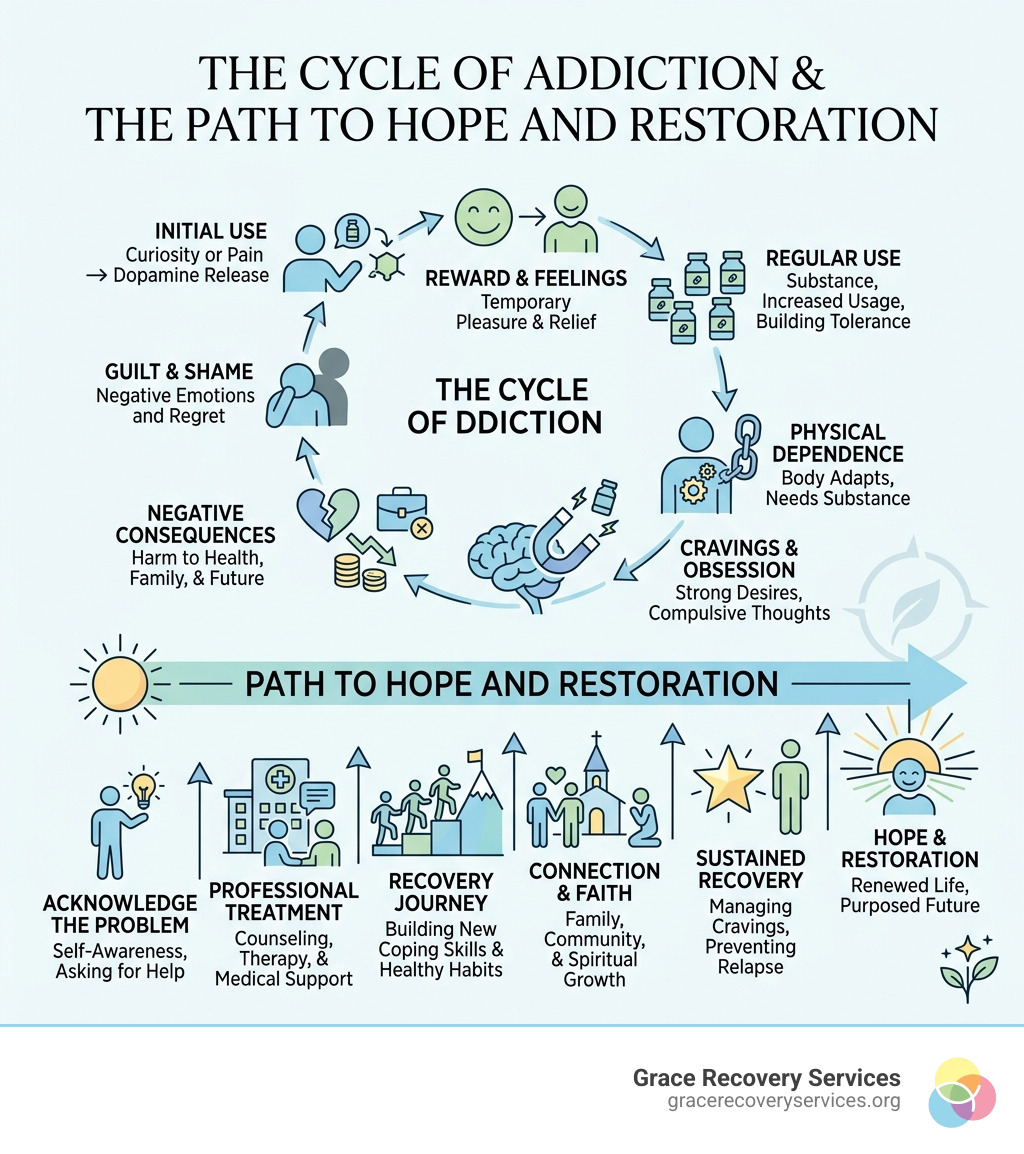
To understand the various types of substance abuse disorder, we must first look at how they affect the human brain. Most substances that lead to a disorder work by directly activating the brain’s reward system. This system is designed to encourage healthy behaviors—like eating or spending time with loved ones—by releasing dopamine. However, substances can “hijack” this pathway, producing an intense surge of pleasure that can lead a person to neglect normal, healthy activities in favor of the substance.
As of April 2026, scientific research continues to affirm that addiction is a chronic, relapsing brain disease, not a lack of willpower. The “addiction liability” of a substance—how likely it is to cause a disorder—depends on how quickly it acts, how much dopamine it releases, and how easily the body develops a tolerance to it.
According to SAMHSA’s 2024 National Survey on Drug Use and Health (NSDUH), approximately 21.2 million adults in the U.S. struggled with a co-occurring mental illness alongside a substance use disorder. This highlights that these conditions rarely exist in a vacuum; they are often tied to our emotional and spiritual well-being.
It is also vital to distinguish between “misuse” and “abuse.” While they may seem similar, the clinical distinction helps us understand the severity of the situation.
| Feature | Substance Misuse | Substance Abuse (SUD) |
|---|---|---|
| Definition | Using a drug outside its intended purpose (e.g., taking an extra dose of a prescription for a headache). | A pathologic pattern of behaviors where use continues despite significant harm and life problems. |
| Control | Often still maintains some level of control over intake. | Loss of control; compulsive seeking and use despite negative consequences. |
| Impact | May be an isolated incident or early warning sign. | Interferes with work, school, family, and health; often involves “cravings.” |
| Physical Signs | Might not yet show withdrawal or high tolerance. | Frequently involves tolerance and physical withdrawal symptoms. |
The 11 DSM-5 Diagnostic Criteria for SUD
In the clinical world, we use the Diagnostic and Statistical Manual of Mental Disorders, Fifth Edition (DSM-5) to identify and treat these conditions. The DSM-5 moved away from the old labels of “abuse” and “dependence,” merging them into a single “Substance Use Disorder” continuum.
At Grace Recovery Services, we see these criteria not just as a checklist, but as a way to understand the Facts of Addiction and how they are impacting a client’s life. A diagnosis is made if at least two of the following 11 criteria are met within a 12-month period:
The DSM-5 groups substance use disorder symptoms into four main categories. A person may be diagnosed when at least 2 of the 11 criteria appear within a 12-month period.
1. Impaired Control
- Taking the substance in larger amounts or for a longer time than intended
- Wanting to cut down or stop, but being unable to
- Spending a lot of time getting, using, or recovering from the substance
- Having strong cravings or urges to use
2. Social Impairment
- Substance use leads to problems meeting responsibilities at work, school, or home
- Continuing to use even when it causes ongoing relationship or social problems
- Giving up or reducing important activities because of substance use
3. Risky Use
- Using substances in situations where it is physically dangerous
- Continuing to use even when it is making a physical or mental health problem worse
4. Pharmacological Indicators
- Tolerance, meaning more of the substance is needed to get the same effect
- Withdrawal, meaning symptoms appear when use is reduced or stopped
For more background, see Facts of Addiction and Signs of Substance Abuse.
We categorize the severity based on the number of symptoms: Mild (2–3 symptoms), Moderate (4–5 symptoms), and Severe (6 or more). Recognizing these Signs of Substance Abuse early can be life-saving, allowing for intervention before the condition progresses further.
Clinical Signs and Symptoms of Common Disorders
While the 11 criteria above apply to all types of substance abuse disorder, each specific substance brings its own unique set of behavioral, physical, and psychological shifts.

Alcohol Use Disorder: The Most Common among Types of Substance Abuse Disorder
Alcohol use disorder (AUD) remains the most prevalent SUD in the United States. In Pennsylvania, alcohol-related issues account for a significant portion of treatment admissions. AUD often involves binge drinking, which can quickly lead to high tolerance.
- Behavioral Indicators: Secretive drinking, neglecting responsibilities, or needing a “drink to steady the nerves.”
- Physical Changes: Slurred speech, coordination problems, and in severe cases, tremors or “the shakes” during withdrawal.
- Psychological Shifts: Irritability when unable to drink, depression, and anxiety.
According to the Overview of Substance-Related Disorders, alcohol is unique because its withdrawal can be medically dangerous, sometimes leading to seizures or delirium tremens (DTs). This is why professional, trauma-informed care is so vital for safety.
Identifying Other Types of Substance Abuse Disorder in the DSM-5
Beyond alcohol, the DSM-5 identifies several other specific categories:
- Opioid Use Disorder (OUD): This includes both illicit drugs like heroin and prescription painkillers like oxycodone or fentanyl. OUD is characterized by a high risk of overdose and rapid development of physical dependence.
- Stimulant Use Disorder: This involves cocaine, amphetamines (like meth), and prescription stimulants (like Adderall). Symptoms often include intense bursts of energy followed by a severe “crash,” paranoia, and weight loss.
- Cannabis Use Disorder: While some view marijuana as harmless, the DSM-5 recognizes that frequent use can lead to a disorder, especially as potency has increased. Symptoms include impaired memory, lack of motivation, and withdrawal symptoms like irritability and sleep difficulty.
- Sedative, Hypnotic, or Anxiolytic Use Disorder: This involves “downers” like benzodiazepines (Xanax, Valium) and sleeping pills. Misuse often starts with a legitimate prescription but can spiral into a dangerous cycle of sedation and memory loss.
- Hallucinogen Use Disorder: Involving substances like LSD, PCP, or psilocybin. While some of these don’t produce typical withdrawal, they can cause “flashbacks” and long-term psychological distress.
- Inhalant Use Disorder: Often seen in adolescents, this involves “huffing” common household chemicals. It is extremely dangerous and can cause immediate organ failure or brain damage.
- Tobacco/Nicotine Use Disorder: Nicotine is highly addictive, and while it is legal, the disorder involves a compulsive need to use tobacco products despite known health risks like cancer and heart disease.
Co-occurring Disorders and Holistic Health Risks
At Grace Recovery Services, we recognize that addiction rarely travels alone. Many of our clients in Western Pennsylvania struggle with what we call “dual diagnosis” or co-occurring disorders. This means they have both a substance use disorder and a mental health condition like depression, PTSD, or anxiety.
For instance, the relationship between Drug Addiction and Bipolar disorder is complex, as individuals may use substances to “self-medicate” their mood swings. Our approach is always trauma-informed, meaning we look beneath the surface of the addiction to find the wounds that may have started the cycle.
There are also significant physical health risks associated with certain types of substance abuse disorder. Injection drug use is a major risk factor for infectious diseases.
- Approximately 1 in 10 new HIV diagnoses in the U.S. are attributed to injection drug use.
- Hepatitis C is also highly prevalent among those who inject drugs.
We believe in treating the whole person—mind, body, and spirit—to address these risks and promote total restoration.
Faith-Based Recovery and Treatment Options in Western PA
If you are looking for help in the Pittsburgh or North Huntingdon areas, you have options that honor your values. Grace Recovery Services provides a sanctuary for those seeking a faith-based path to renewal. We combine evidence-based clinical practices with the timeless hope found in Christian counseling.

Our programs in Western Pennsylvania are designed to meet you where you are:
- Partial Hospitalization Program (PHP): Our most intensive level of outpatient care, providing structured support throughout the day while allowing you to return home in the evening.
- Intensive Outpatient Program (IOP): A flexible option that allows clients to maintain work or family commitments while attending several hours of therapy and counseling each week.
- Christian Counseling: We integrate biblical principles of grace, forgiveness, and hope into our therapeutic sessions, helping you rebuild your identity in Christ.
- Trauma-Informed Care: We specialize in helping clients process past hurts and relational wounds that often fuel the need for substances.
Understanding the Types of Substance Use Disorders and How to Treat Them is the first step toward choosing the right program. If you are a family member, learning How to Help Someone with Substance Abuse can provide the bridge your loved one needs to step into recovery.
Frequently Asked Questions
What is the difference between addiction and SUD?
In modern clinical terms, “Substance Use Disorder” (SUD) is the official diagnosis used by doctors and counselors. “Addiction” is a more general term often used to describe the most severe stage of an SUD, where use is compulsive and out of control. At Grace, we focus on the person, not just the label, recognizing that any level of disorder deserves compassionate care.
Can you recover from a severe substance use disorder?
Absolutely. While SUD is considered a chronic condition, it is treatable. Many people live long, vibrant, and “revived” lives in recovery. With the right combination of professional treatment, community support, and spiritual grounding, restoration is always possible.
How does faith integrate into addiction treatment?
Faith provides a foundation of hope that clinical tools alone sometimes lack. At Grace Recovery Services, we use Christian counseling to help clients find a higher purpose, experience the healing power of grace over shame, and build a relationship with God that sustains them through the challenges of sobriety.
Conclusion
The various types of substance abuse disorder can feel overwhelming, but they do not have the final say in your story. Whether you are in Penn Hills, North Huntingdon, or anywhere in the greater Pittsburgh area, there is a community ready to walk beside you without judgment.
At Grace Recovery Services, we are dedicated to the “Three Rs”: Restoration of the soul, Renewal of the mind, and Revival of the spirit. You don’t have to hit “rock bottom” to reach out for help. Whether your struggle is mild or severe, there is a place for you here.
If you’re ready to take the next step toward a life of freedom and peace, we invite you to reach out. More info about our services is just a click away. Let today be the start of your new chapter—a chapter defined by grace, not by the disorder.
This article was researched with AI and heavily edited by Stephen Luther for accuracy and relevance.
Stephen Luther is the Executive Director and Founder of Grace Christian Counseling, Grace Recovery Services, WPA Counseling, NuWell Online Counseling and Coaching, and NuWell Health. He holds a Master’s degree in Education from the University of Georgia and a Master’s degree in Marriage and Family Therapy from Duquesne University. He is a licensed professional counselor in Pennsylvania.
Since 1997, Steve has been helping children, adolescents, and adults overcome a wide range of emotional and relational challenges. He specializes in working with hurting families, including those with foster, adopted, or traumatized children. Steve uses Attachment-Based Therapy, Splankna Healing, and Therapeutic Parent Coaching to support healing and restoration.
This guide is for educational and spiritual encouragement and is not a substitute for personalized professional counseling. If you are in crisis, please reach out for immediate help.