
Finding Strength and Purpose Through Faith-Based Outpatient Recovery
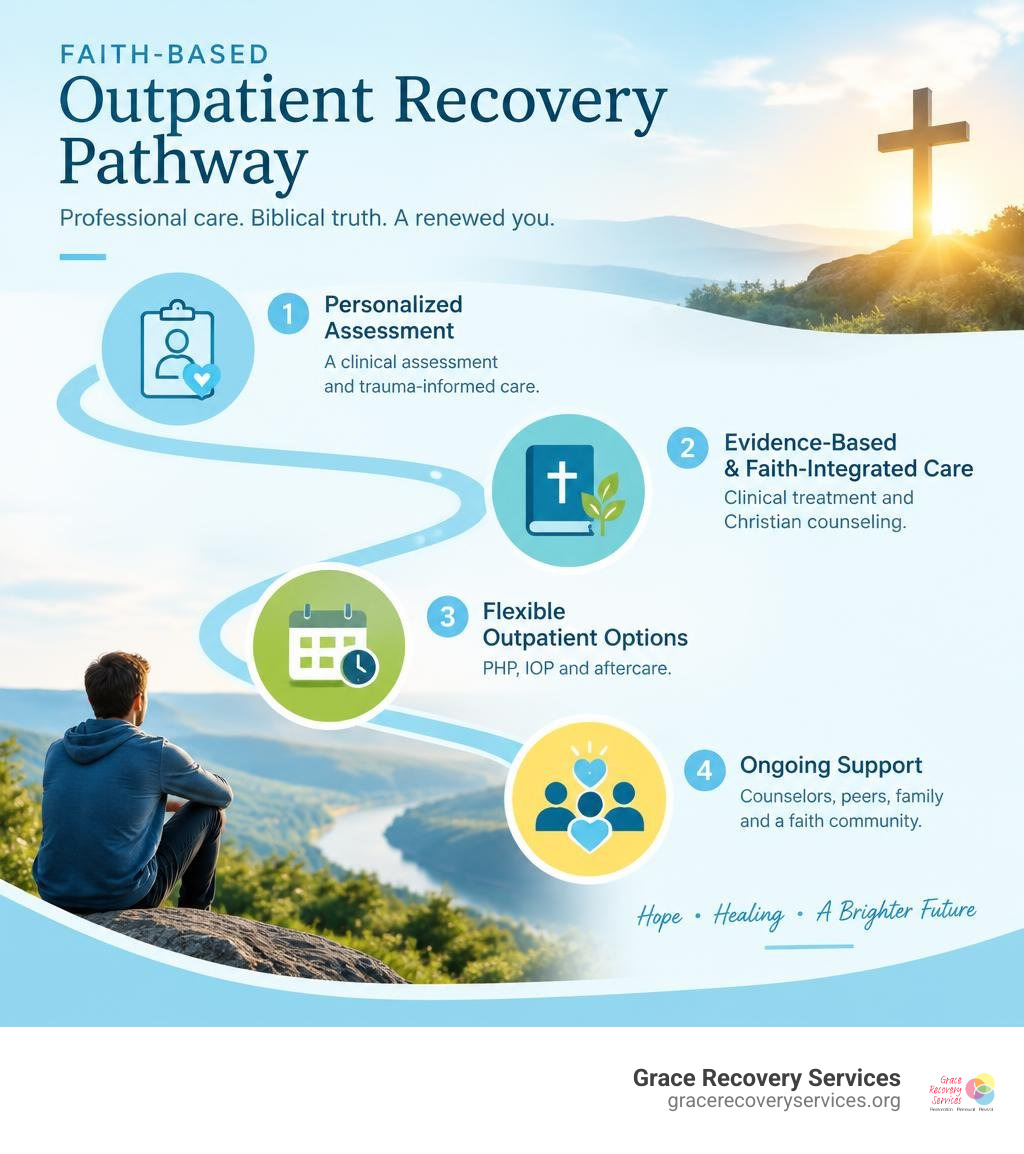
A faith based renewal program combines professional addiction treatment with Christian counseling, spiritual practices, and supportive community. For someone seeking outpatient sobriety in Western Pennsylvania, look for a program that offers:
- A personalized clinical assessment and trauma-informed care for overcoming trauma with scripture.
- Evidence-based treatment alongside faith-integrated counseling.
- Flexible outpatient options, such as PHP, IOP, and aftercare.
- Ongoing support from counselors, peers, family, and a faith community.
At Grace Recovery Services, we understand that substance use disorder can affect the whole person: body, mind, relationships, and spirit. Recovery is not about shame or trying harder alone. It is about finding safe support, practical tools, and renewed hope while staying connected to daily responsibilities.
Our Christian, outpatient approach to faith integrated recovery Pittsburgh serves clients and families throughout Western Pennsylvania. We integrate clinically informed addiction care with biblical principles in a way that respects each client’s story, needs, and pace. Whether you are seeking help for yourself or someone you love, a personalized assessment can help identify the right next step.
What Is a Faith Based Renewal Program and How Does It Work?
A faith-centered renewal program approaches substance use recovery as an integrated journey involving the mind, body, and spirit. Traditional secular models often concentrate primarily on behavioral modification, neurochemistry, and symptom reduction. While these clinical foundations are vital, a spiritual renewal model recognizes that prolonged substance use often stems from deep emotional wounds, unresolved trauma, isolation, and a disrupted sense of purpose.
When we examine the spiritual roots of addiction, we frequently find individuals wrestling with inner pain, shame, and fractured identity. In many cases, people living with a substance use disorder describe a profound inner void—an ache that substances were initially used to soothe. By pairing evidence-based clinical therapy with biblical counseling, clients learn to address both the physical triggers of dependency and the underlying spiritual disconnect.
In clinical practice, this dual approach bridges secular psychology and Christian theology. Rather than viewing faith and clinical science as opposing forces, we view them as complementary avenues of healing. Research from federal initiatives like the Substance Abuse and Mental Health Services Administration (SAMHSA) highlights how faith-based partnerships provide critical community support and holistic care pathways for individuals and families across the nation.
At Grace Recovery Services, our therapeutic framework operates through our four-stage Counseling Blueprint:
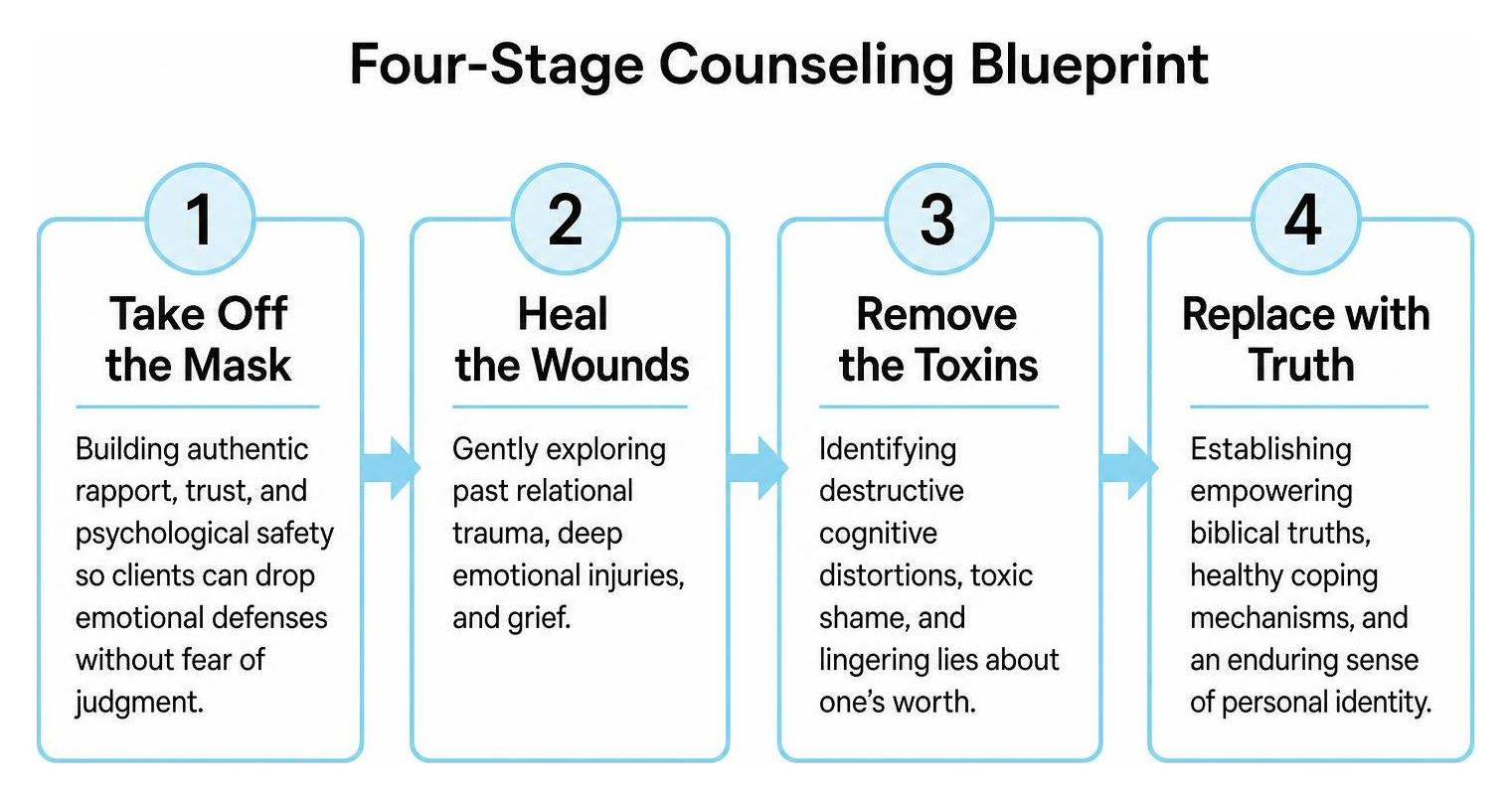
- Take Off the Mask: Building authentic rapport, trust, and psychological safety so clients can drop emotional defenses without fear of judgment.
- Heal the Wounds: Gently exploring past relational trauma, deep emotional injuries, and grief.
- Remove the Toxins: Identifying destructive cognitive distortions, toxic shame, and lingering lies about one’s worth.
- Replace with Truth: Establishing empowering biblical truths, healthy coping mechanisms, and an enduring sense of personal identity.
| Dimension | Clinical-Only Approach | Faith-Integrated Renewal Model |
|---|---|---|
| Primary Focus | Cognitive patterns, symptom reduction, behavior modification | Holistic healing of mind, body, emotions, and spirit |
| View of Identity | Client managing a chronic, diagnosable condition | Beloved child of God experiencing healing and redemption |
| Core Source of Hope | Human resilience and clinical support systems | Divine grace, biblical truth, clinical tools, and Christian fellowship |
| Approach to Guilt/Shame | Cognitive reframing and self-compassion practices | Deep spiritual forgiveness, grace over shame, and total renewal |
| Long-Term Support | Ongoing secular therapy and standard peer support groups | Integrated Christian community, discipleship, and clinical aftercare |
Historical and Spiritual Roots of Faith-Centered Recovery
Spiritual principles have anchored addiction recovery efforts for centuries. Modern mutual-aid recovery tracing back through the twentieth century was deeply shaped by early spiritual groups, including the Oxford Group, which emphasized personal inventory, restitution, surrender, and spiritual fellowship. These concepts later informed the foundational 12-step frameworks recognized worldwide today.
Within the Christian tradition, spiritual renewal is fundamentally tied to genuine biblical repentance. Rather than a harsh, shame-driven concept, true repentance represents a heartfelt turning toward light, life, and emotional health. It is an intentional shift in perspective and daily conduct.
This spiritual turnaround is reinforced through understanding one’s identity in Christ. When individuals discover that their worth is grounded in divine love rather than past mistakes, dramatic transformations happen. Structured spiritual practices—such as identity-focused scripture engagement and guided meditation—have demonstrated profound emotional resets. In clinical research settings, including studies on identity-focused renewal, participants regularly report measurable shifts in anxiety reduction and emotional resilience when grounding their core identity in spiritual truth.
Core Components of a Clinical Faith Based Renewal Program
A comprehensive outpatient renewal program integrates licensed therapeutic disciplines with vibrant spiritual growth. Key components include:
- Evidence-Based Clinical Therapies: Utilizing modalities like Cognitive Behavioral Therapy (CBT), Dialectical Behavior Therapy (Daly skills), and Motivational Interviewing to help clients reshape behavioral choices and manage cravings.
- Trauma-Informed Christian Counseling: Providing safe, licensed counseling that addresses co-occurring trauma while extending Christ-centered grace.
- Spiritual Disciplines and Daily Reflection: Cultivating daily rhythms of prayer, biblical meditation, and journaling to steady the nervous system and build emotional capacity.
- Neural Rewiring and Mindfulness: Combining modern brain science with contemplative scripture reflection to help quiet mental reactivity, lower anxiety, and restore baseline peace.
- Focus on Ongoing Discipleship and Purpose: Rebuilding practical life skills, discovering personal vocations, and serving others within the local community.
The Role of Spiritual Community in Addiction Recovery

Recovery rarely thrives in isolation. Human beings are created for connection, and substance use disorders often sever relational bonds, leaving individuals feeling detached from friends, family, and faith communities.
Spiritual fellowship offers a non-judgmental environment where individuals can experience authentic peer support. In a healthy Christian community, clients encounter peers who understand the reality of temptation, emotional pain, and the daily journey of recovery. This environment models mutual vulnerability and accountability.
Local church communities and parish renewal initiatives throughout the country—such as The RENEW Process, Welcome | Christ Renews His Parish STM | United States, or intensive relational retreats like Restoring The Soul Men’s Weekend Intensives – Get Your Heart Back, Get Unstuck, and Finally Discover How to Live Free—demonstrate how small faith communities ignite personal revitalization. Structured small-group settings foster open dialogue, allowing participants to unpack personal challenges while building meaningful connections.
For someone in outpatient recovery, joining a supportive local ministry or recovery fellowship creates a safe landing place after structured clinical hours conclude each week.
The Public Impact: Family Restoration and Community Alternatives to Incarceration
The benefits of faith-integrated recovery extend far beyond the individual client, rippling out into families, neighborhoods, and the broader justice system. Substance use disorders place intense emotional and economic strain on communities. When individuals receive restorative clinical care instead of purely punitive measures, outcomes improve across public health and community safety indicators.
Across the country, leaders are recognizing that supportive recovery pathways serve as a cost-effective, compassionate alternative to incarceration. Diverting non-violent offenders into structured recovery environments significantly reduces recidivism rates, relieves overcrowded correctional systems, and provides substantial taxpayer savings while actively rehabilitating community members.
Crucially, outpatient faith-based recovery emphasizes whole-family restoration. Family dynamics are deeply affected by addiction, often leading to broken trust, codependency, and emotional burnout. By offering family counseling and structured educational classes, our outpatient approach helps loved ones:
- Understand the physiological and emotional roots of substance use disorders.
- Establish healthy boundaries grounded in grace and mutual respect.
- Process personal relational wounds and release lingering resentment.
- Build a unified home environment that supports sustained recovery.
Community-oriented faith networks—such as grassroots initiatives like Laurel Area Faith in Action—illustrate the remarkable power of local faith coalitions stepping up to assist vulnerable neighbors. When faith leaders, healthcare providers, and community organizations collaborate, communities build strong safety nets that help individuals rebuild their lives with dignity.
Sustaining Long-Term Outpatient Sobriety Through Fellowship and Aftercare
Sobriety is not a single milestone; it is an ongoing, lifelong journey of spiritual growth, emotional maturity, and relational healing. Outpatient treatment structures—such as Partial Hospitalization Programs (PHP) and Intensive Outpatient Programs (IOP)—offer an ideal bridge for long-term health. Clients receive intensive therapeutic care while sleeping in their own beds, working jobs, and remaining actively involved in family life.
As clients step down from intensive clinical programs, comprehensive aftercare planning becomes the cornerstone of lasting success. Sustained recovery relies on intentional daily disciplines and trusted peer accountability.
Essential daily spiritual disciplines for maintaining outpatient sobriety include:
- Morning Prayer and Grounding: Beginning each day by centering the mind, offering daily struggles to God, and asking for wisdom.
- Scripture Meditation and Neuro-Resetting: Spending 15 to 20 minutes engaging with encouraging biblical passages, reinforcing truth, and calming the central nervous system (similar to experiences like the 40-Day Identity in Christ Reset Experience | Dr. Lisa Winchell).
- Honest Peer Check-Ins: Staying in regular contact with an accountability partner or recovery mentor to talk through cravings, stressors, and victories.
- Active Attendance at Support Groups: Consistently participating in outpatient recovery groups or church-based small groups.
- Evening Inventory and Gratitude: Ending the day by releasing worries, taking account of personal emotional triggers, and cultivating thankfulness for daily progress.
Overcoming Common Criticisms Through Clinical Accountability
Historically, some critics have questioned whether faith-based programs adequately handle complex mental health concerns, wondering if spiritual counseling might overlook clinical realities. These concerns are valid when programs operate without clinical credentials or dismiss medical science.
However, modern, professional Christian recovery programs bridge this gap by maintaining the highest clinical accreditation standards. High-quality outpatient programs utilize licensed professional counselors (LPC), licensed clinical social workers (LCSW), and master’s-level therapists who specialize in dual-diagnosis treatment.
When a client presents with co-occurring mental health disorders—such as clinical depression, generalized anxiety, bipolar disorder, or complex post-traumatic stress disorder (PTSD)—care must address both psychological neurochemistry and spiritual well-being. Licensed Christian therapists utilize evidence-based interventions like trauma-informed stabilization, somatic regulation, and cognitive therapies alongside pastoral care, ensuring complete safety and therapeutic rigor.
Choosing the Right Faith Based Renewal Program for You and Your Family
Finding the right care team is an essential first step toward lasting healing. If you or a loved one is evaluating programs, consider the following practical criteria:
- Clinical Licensure and Credentials: Ensure the facility employs state-licensed therapists and utilizes recognized, evidence-based treatment models.
- Dual-Diagnosis and Trauma Capabilities: Verify that the program can clinically treat co-occurring anxiety, depression, and unresolved trauma.
- Flexibility of Outpatient Levels of Care: Look for structured care levels like Partial Hospitalization (PHP) and Intensive Outpatient (IOP) that allow you to balance work, family, and therapy.
- Family Program Integration: Confirm that the clinical team provides family counseling to help rebuild trust and restore communication.
- Local Community Connection: Choose a provider rooted in your geographic region—such as the greater Pittsburgh, Penn Hills, Irwin, and North Huntingdon communities in Western Pennsylvania—to ensure accessible aftercare and lasting community ties.
Frequently Asked Questions About Faith-Based Recovery
How does a faith-based recovery program address the root causes of addiction?
Rather than solely managing physical cravings or surface behaviors, a faith-based program explores the emotional, relational, and spiritual hurts beneath substance use. By integrating clinical therapy with Christian counseling, clients safely process unresolved trauma, dismantle shame, and discover their core identity in Christ, establishing long-term emotional resilience.
Can someone participate in faith-based treatment if they have co-occurring mental health issues?
Yes. Professional faith-based centers provide comprehensive dual-diagnosis care. Licensed therapists utilize evidence-based psychiatric therapies, trauma-informed counseling, and emotional regulation techniques to treat mental health disorders like anxiety and depression alongside spiritual restoration.
How does outpatient faith-based care allow individuals to maintain daily life responsibilities?
Outpatient programs—such as PHP, IOP, and evening therapy groups—provide intensive, structured clinical care during scheduled hours while allowing clients to live at home. This format empowers individuals to continue working, attending school, and caring for their families while immediately applying new recovery skills and spiritual disciplines in their real-world environments.
Conclusion
Finding true freedom from substance use disorder requires more than temporary willpower; it invites a complete transformation of mind, body, and spirit. Through a compassionate blend of clinical expertise, trauma-informed care, and biblical truth, lasting restoration is entirely possible.
If you or a loved one is searching for hope and direction in the Pittsburgh or Western Pennsylvania area, our team is here to walk alongside you. Explore our compassionate outpatient recovery services or reach out today to schedule a personalized, confidential assessment. Take that courageous first step toward renewal, healing, and lasting peace.
This article was researched with AI and heavily edited by Stephen Luther for accuracy and relevance.
Stephen Luther is the Executive Director and Founder of Grace Christian Counseling, Grace Recovery Services, WPA Counseling, NuWell Online Counseling and Coaching, and NuWell Health. He holds a Master’s degree in Education from the University of Georgia and a Master’s degree in Marriage and Family Therapy from Duquesne University. He is a licensed professional counselor in Pennsylvania.
Since 1997, Steve has been helping children, adolescents, and adults overcome a wide range of emotional and relational challenges. He specializes in working with hurting families, including those with foster, adopted, or traumatized children. Steve uses Attachment-Based Therapy, Splankna Healing, and Therapeutic Parent Coaching to support healing and restoration.
This guide is for educational and spiritual encouragement and is not a substitute for personalized professional counseling. If you are in crisis, please reach out for immediate help.