
Why Trauma and Substance Abuse Worksheets Matter in Recovery
Trauma and substance abuse worksheets are structured, evidence-based tools that help clients in recovery identify triggers, process painful emotions, build coping skills, and prevent relapse — often used alongside therapy or as between-session homework.
Here are some of the most effective worksheet types used in trauma-informed addiction recovery:
- Trigger identification worksheets — map internal and external cues that lead to cravings
- PTSD and addiction processing worksheets — help clients write about traumatic events, acknowledge feelings, and build relapse prevention strategies
- Grounding technique worksheets (e.g., 5-4-3-2-1) — anchor clients in the present moment during moments of distress
- Urge self-monitoring records — track cravings, thoughts, and behaviors to identify patterns
- Cognitive restructuring worksheets — challenge negative thoughts using CBT techniques
- Post-traumatic growth (PTG) exercises — help clients find meaning, resilience, and hope beyond their pain
- Emotional regulation and distress tolerance tools — drawn from DBT skills like STOP, ACCEPTS, and Wise Mind
If you or someone you love is walking through addiction and the weight of past trauma, you already know how tangled those two struggles can become. One feeds the other. Pain drives use. Use deepens the pain.
The numbers reflect what so many people quietly live: research has found that rates of PTSD among some groups misusing substances can reach as high as 50% (Reynolds et al., 2005). That’s not a coincidence. For many people, substances become a way to cope with memories, feelings, and wounds that feel too heavy to carry any other way.
But healing is possible. And sometimes, it starts with something as simple as putting pen to paper.
Worksheets won’t do the work alone — but in the hands of a compassionate counselor, or used as part of a structured recovery program, they become powerful tools for self-awareness, growth, and lasting change. At Grace Recovery Services, we’ve seen how the right exercises, paired with faith-centered, trauma-informed care, can help clients in the Pittsburgh and Western Pennsylvania area begin to untangle the roots of their addiction and step into restoration.
Understanding the Connection: Why Trauma and Addiction Often Co-occur
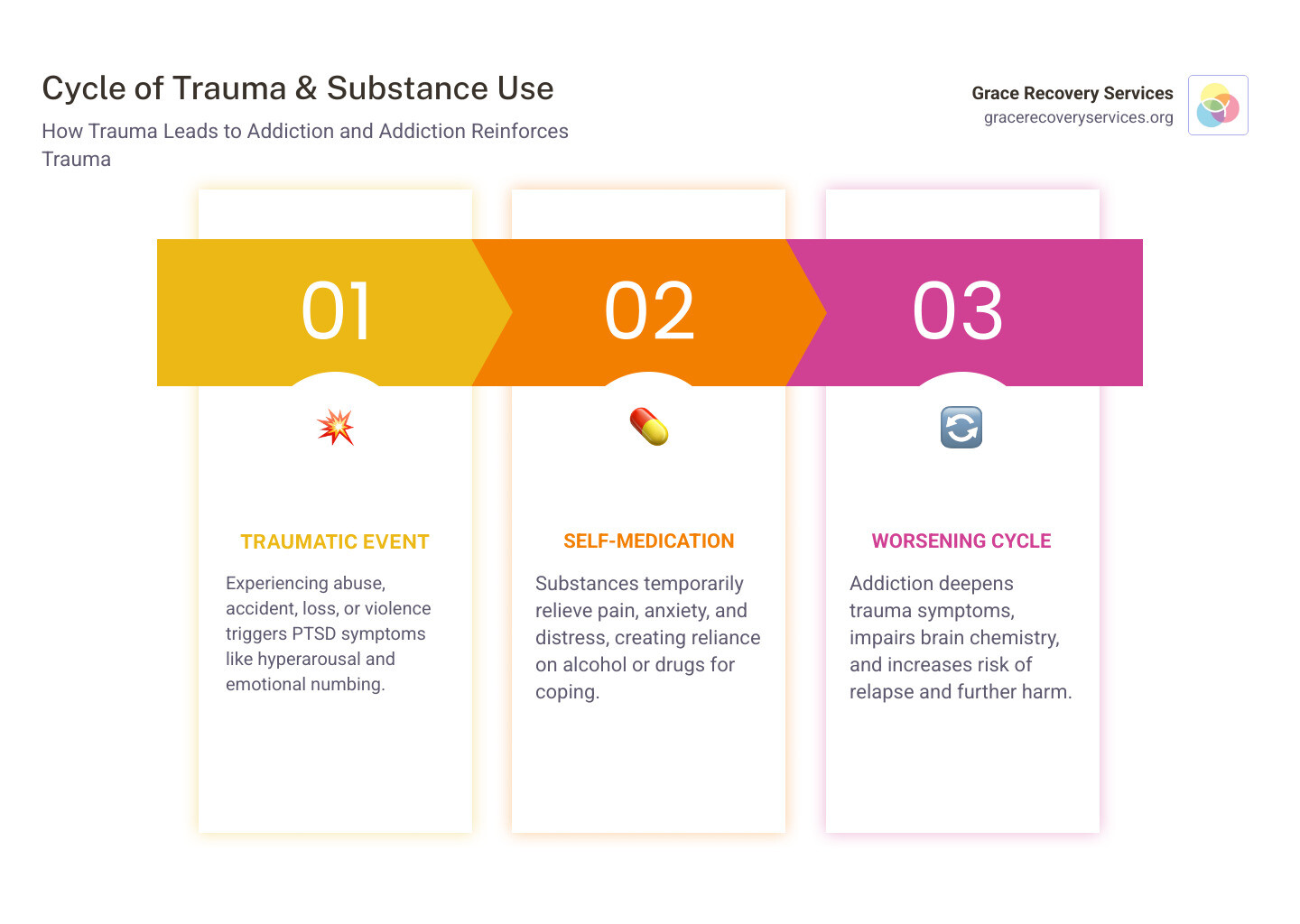
To truly heal, we have to understand the “why” behind the “what.” For many of our clients in North Huntingdon and Penn Hills, substance use didn’t start because they wanted to cause trouble; it started as a desperate attempt to feel okay. This is often referred to as the “self-medication hypothesis.” When someone experiences a traumatic event—whether it’s childhood abuse, combat, a serious accident, or loss—the brain’s alarm system can get stuck in the “on” position.
This state of Ptsd Vs Anxiety Disorders often involves hyperarousal, where the client feels constantly on edge, or emotional numbing, where they feel disconnected from the world. Substances are frequently used to “turn down the volume” on these painful symptoms. Alcohol might help a client sleep without nightmares, while stimulants might provide a temporary sense of control over feelings of helplessness.
However, this creates a dangerous cycle. While the substance might offer temporary relief, it actually alters brain chemistry in ways that make it harder to manage emotions in the long run. This is why Integrated Treatment For Addiction And Mental Health is so vital. If we only treat the addiction without addressing the trauma, the “root” of the problem remains. As highlighted in The Trauma-Informed Workbook for Addiction, healing requires a dual approach that honors the pain of the past while building the skills for a sober future.
Evidence-Based trauma and substance abuse worksheets for Daily Recovery
In our practice across Western PA, we utilize various therapeutic models to help clients regain their footing. Worksheets based on Cognitive Behavioral Therapy (CBT) and Dialectical Behavior Therapy (DBT) are particularly effective. These aren’t just “busy work”; they are blueprints for a new way of thinking.
An Addiction Workbook often includes exercises like:
- The STOP Skill: This DBT-based tool helps manage impulsivity. It stands for Stop, Take a step back, Observe, and Proceed mindfully.
- Urge Surfing: A technique that teaches clients to “ride out” a craving like a wave, knowing it will eventually peak and subside without them having to act on it.
- Thought Tracking: Identifying “permissive thinking”—those little lies our brain tells us, like “just one won’t hurt”—is a core part of Co Occurring Treatment.
One of the most immediate needs in recovery is the ability to calm the nervous system when memories or cravings hit. Grounding techniques are essential here.

Using trauma and substance abuse worksheets to Identify Triggers
Triggers are the “sleeping tigers” of recovery. They can be external, like a specific street corner in Pittsburgh or a certain person from the past, or internal, like the feeling of loneliness or shame.
Using trauma and substance abuse worksheets to map these triggers is a critical step in Trauma Informed Care. A safety planning worksheet helps clients visualize a high-risk situation before it happens and decide exactly what they will do to stay safe. This might include calling a mentor, practicing a breathing exercise, or physically leaving the area. By conducting “behavioral experiments” through these worksheets, clients can test out new coping strategies in a safe environment before they need them in the real world.
Fostering Post-Traumatic Growth with trauma and substance abuse worksheets
At Grace Recovery Services, we don’t just want our clients to “get by”—we want them to thrive. This is the concept of Post-Traumatic Growth (PTG). It’s the idea that people can emerge from struggle with a deeper sense of meaning, improved relationships, and a stronger spirit.
Our Faith Based Trauma Recovery approach incorporates narrative therapy worksheets. These allow clients to rewrite their story—not as a victim of their circumstances, but as the “hero” who survived and is now being restored. This aligns beautifully with biblical principles of hope and redemption. When we look at our lives through the lens of restoration, we see that our past does not define our future.
Practical Tools for Emotional Regulation and Relapse Prevention
Emotional regulation is the ability to manage your internal state so you don’t feel “hijacked” by your feelings. Many of the tools we use come from the TAMAR Participant Workbook, which focuses on the intersection of trauma and addictions.
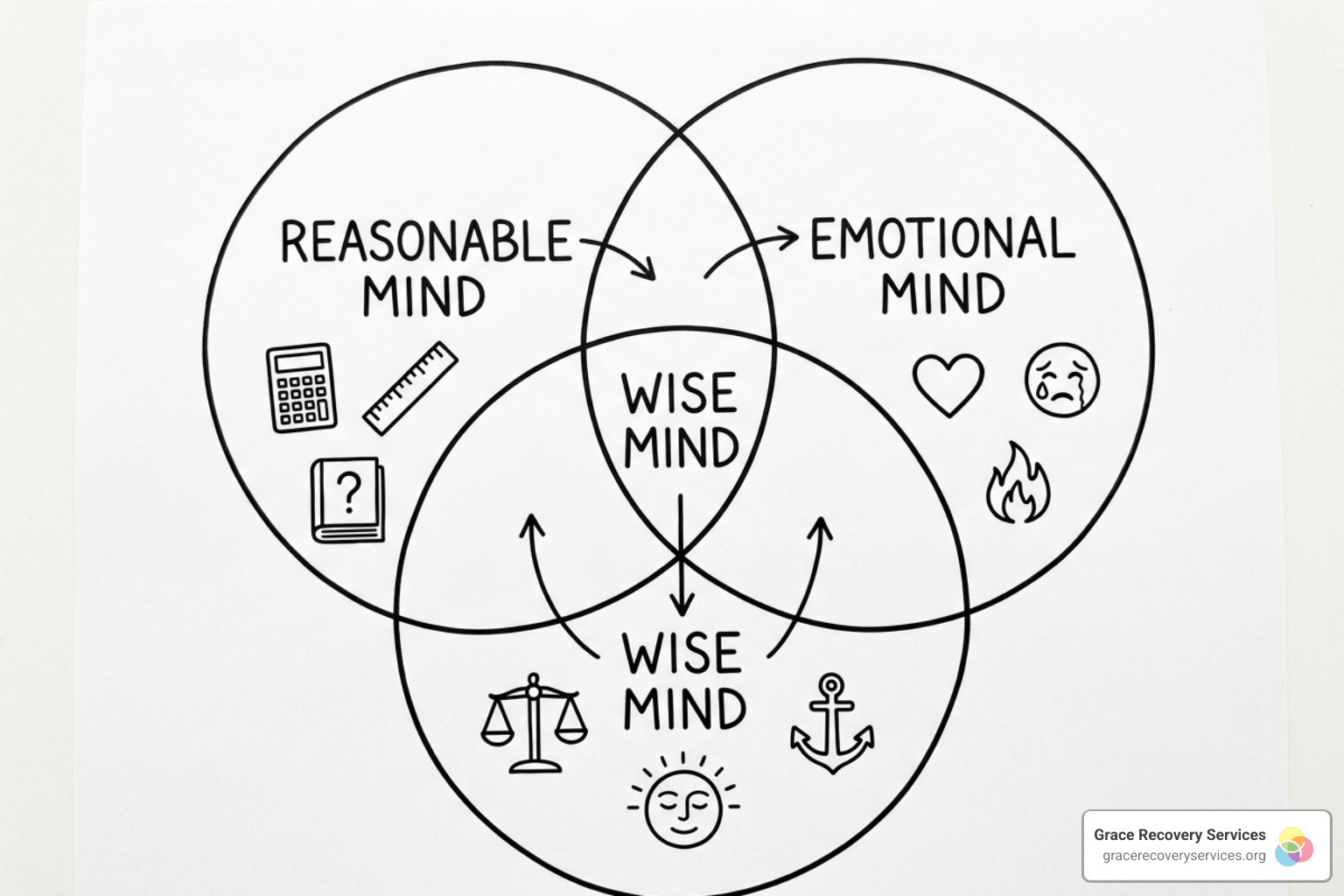
One key concept is the Wise Mind. This is the balance between your “Reasonable Mind” (logic and facts) and your “Emotional Mind” (feelings and urges). Finding that middle ground—the Wise Mind—is where healthy decisions are made.
Other practical skills include:
- ACCEPTS: A distress tolerance skill that uses Activities, Contributing, Comparisons, Emotions, Pushing away, Thoughts, and Sensations to distract from intense pain until it becomes manageable.
- Body Scans: A mindfulness practice that helps clients reconnect with their physical selves, noticing where they hold tension without judgment.
- Boundaries Worksheets: Learning where you end and others begin is vital for survivors of trauma, especially when rebuilding relationships in recovery.
Frequently Asked Questions about Recovery Tools
How do worksheets help in dual diagnosis treatment?
Worksheets provide a tangible way to address two things at once. For example, a trigger-tracking sheet might show that a client’s urge to drink (addiction) always happens right after they have a flashback (trauma). By seeing this connection on paper, the client and therapist can work on specific trauma-processing skills to reduce the substance use.
Can I use these worksheets without a therapist?
While many trauma and substance abuse worksheets are available for self-help, we strongly recommend using them alongside a professional, especially when dealing with trauma. Processing deep wounds can sometimes “flood” the system with emotion, and having a trained counselor to provide a “mental container” and support is much safer.
What are the best assessments to use alongside worksheets?
Clinicians often use tools like the PTSD Checklist (PCL-5) or the Trauma History Questionnaire to understand the scope of a client’s experience. In the realm of addiction, the CAGE test or the Addiction Severity Index can help determine the level of care needed. These assessments provide the data, while the worksheets provide the “how-to” for daily life.
Conclusion: Finding Hope and Healing in Western Pennsylvania
Recovery is a journey of a thousand small steps, and many of those steps involve a pen and a piece of paper. Whether you are in our North Huntingdon office or joining our Intensive Outpatient Program (IOP) from Penn Hills, these trauma and substance abuse worksheets serve as a bridge from the pain of yesterday to the promise of tomorrow.
At Grace Recovery Services, our mission is to provide a space of non-judgmental support where restoration, renewal, and revival can take place. We believe that no one is beyond the reach of grace, and no trauma is too deep for healing. By combining evidence-based worksheets with faith-integrated care, we help you address the mind, body, and spirit as one.
If you’re ready to start your journey, we are here to walk with you. You don’t have to carry the weight of your past alone anymore.
Start Your Journey Today — Reach out to Grace Recovery Services for a compassionate assessment and discover how we can help you find lasting freedom.
This article was researched with AI and heavily edited by Stephen Luther for accuracy and relevance.
Stephen Luther is the Executive Director and Founder of Grace Christian Counseling, Grace Recovery Services, WPA Counseling, NuWell Online Counseling and Coaching, and NuWell Health. He holds a Master’s degree in Education from the University of Georgia and a Master’s degree in Marriage and Family Therapy from Duquesne University. He is a licensed professional counselor in Pennsylvania.
Since 1997, Steve has been helping children, adolescents, and adults overcome a wide range of emotional and relational challenges. He specializes in working with hurting families, including those with foster, adopted, or traumatized children. Steve uses Attachment-Based Therapy, Splankna Healing, and Therapeutic Parent Coaching to support healing and restoration.
This guide is for educational and spiritual encouragement and is not a substitute for personalized professional counseling. If you are in crisis, please reach out for immediate help.