Christian Based Rehabs Blend Faith With Proven Outpatient Care
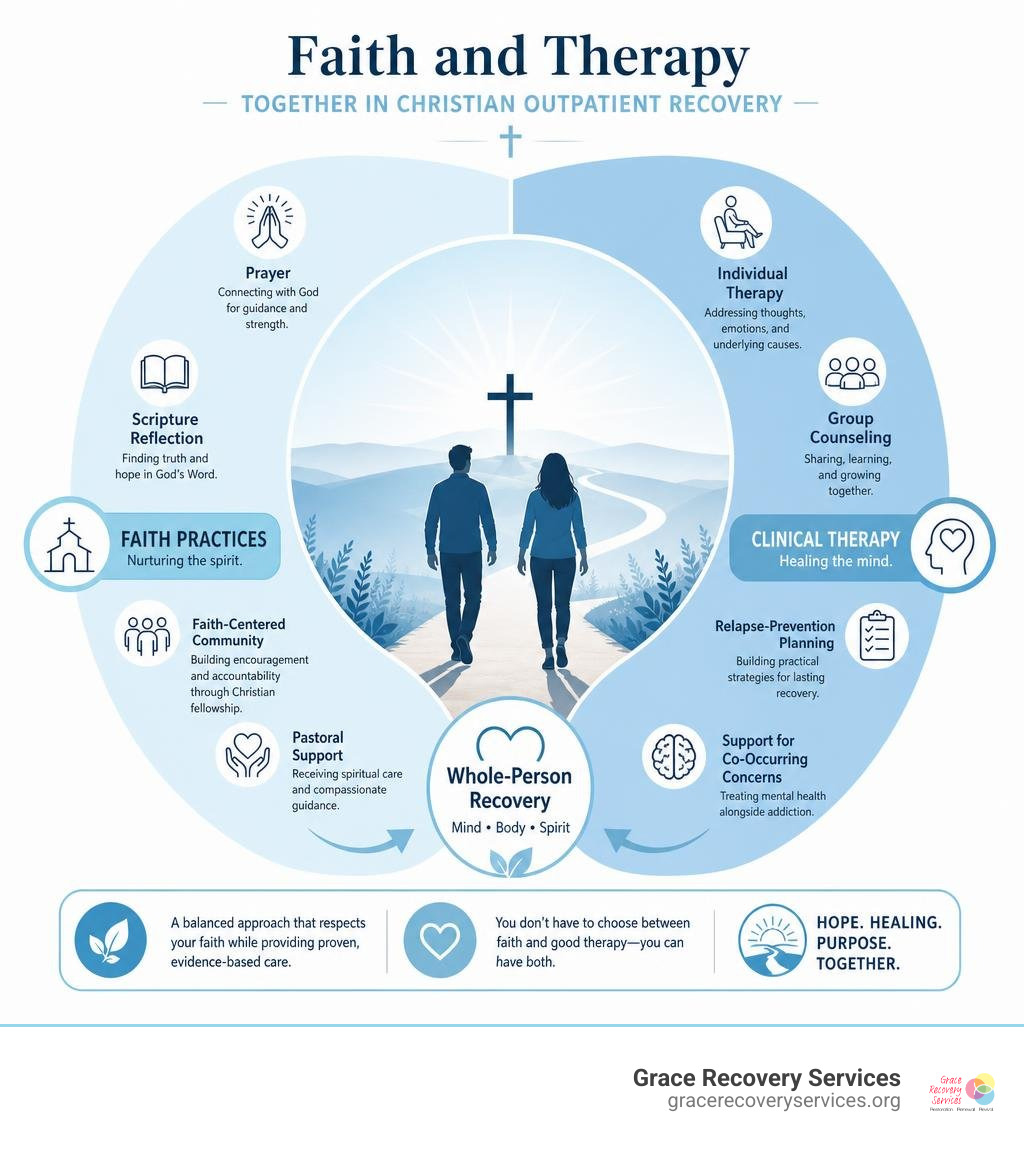
Christian based rehabs combine evidence-based addiction treatment with Christian practices such as prayer, Scripture reflection, pastoral support, and faith-centered community. For clients who want recovery to include their relationship with God, this approach can support healing of the mind, body, and spirit without replacing professional counseling.
At Grace Recovery Services in the Pittsburgh area, faith integration can sit alongside clinical approaches such as individual therapy, group counseling, relapse-prevention planning, and support for co-occurring mental health concerns. The goal is not to pressure anyone into a belief system. It is to offer a respectful space where clients can explore recovery through Christian principles while building practical skills for daily life.
Spirituality is already common in addiction care: research cited in national treatment data suggests that about 73% of U.S. treatment programs include some spiritual element. What matters most is finding care that feels emotionally safe, respects your needs, and uses qualified clinical support alongside faith.
Easy christian based rehabs word list:
How Faith and Clinical Therapy Work Together in Substance Recovery
Navigating recovery requires a holistic view of the human experience. When someone experiences a substance use disorder, the disruption touches every aspect of their life: their physical health, thought patterns, emotional resilience, relationships, and spiritual foundation. Integrating faith with clinical excellence means we do not have to choose between sound neuroscience and biblical wisdom. They complement each other naturally.
In our clinical practice across Western Pennsylvania, including our offices in the Pittsburgh Penn Hills area and North Huntingdon, we combine evidence-based clinical practices with timeless spiritual truths. You can explore how these elements weave together in our comprehensive guide to Christian recovery programs.
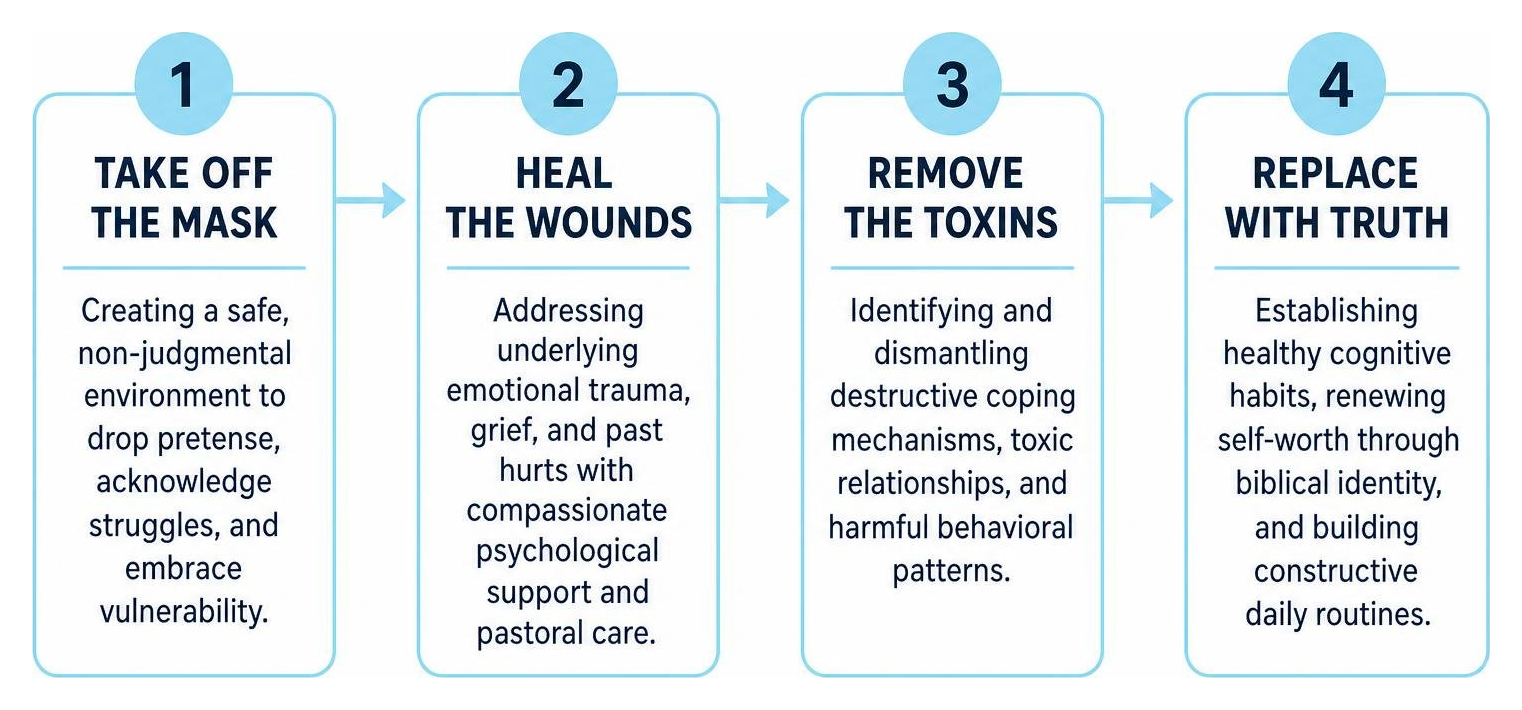
Our therapeutic framework is anchored in our Counseling Blueprint, which guides clients through four intentional stages of transformation:
- Take Off the Mask: Creating a safe, non-judgmental environment where clients can drop pretense, acknowledge personal struggles, and embrace vulnerability.
- Heal the Wounds: Addressing underlying emotional trauma, grief, and past hurts with compassionate psychological support and pastoral care.
- Remove the Toxins: Identifying and dismantling destructive coping mechanisms, toxic relationships, and harmful behavioral patterns.
- Replace with Truth: Establishing healthy cognitive habits, renewing self-worth through biblical identity, and building constructive daily routines.
The Biological and Spiritual Dimensions of Healing
Addiction fundamentally impacts brain chemistry, particularly the pathways governing reward, stress management, and impulse control. Evidence-based counseling addresses these neurological patterns, while spiritual disciplines provide emotional ground on which new neurobiological pathways can form.
Scripture meditation and contemplative prayer help calm an overactive nervous system, reducing chronic anxiety and distress. When clients participate in prayer or reflective reading, they cultivate mindfulness, quiet mental chatter, and shift away from fear-based reactions. To understand how local programs structure these practices, explore our practical guide to biblical sobriety programs in Pittsburgh. This synthesis of biological understanding and spiritual discipleship empowers clients to find lasting renewal.
Evidence-Based Modalities with Biblical Integration
Clinical therapies provide structured frameworks for understanding thoughts and behaviors. When aligned with Scripture, these modalities become deeply personal and transformative:
- Cognitive Behavioral Therapy (CBT): Helps clients identify cognitive distortions and automatic negative thoughts. Scripturally, this aligns with the biblical principle of renewing the mind (Romans 12:2) and taking every thought captive.
- Dialectical Behavior Therapy (DBT): Equips individuals with distress tolerance and emotional regulation skills, mirroring biblical virtues of patience, self-control, and emotional grounding.
- Motivational Interviewing (MI): Meets clients with empathy where they are, resolving ambivalence about change through gentle encouragement rather than confrontation.
- Pastoral Counseling: Connects therapeutic breakthroughs with grace, forgiveness, and purpose, helping individuals resolve moral injury and spiritual doubts.
Understanding the Effectiveness of Christian Based Rehabs
Many people wondering about faith-based care ask whether spiritual approaches offer the same clinical rigor as secular options. Research indicates that incorporating faith into recovery provides significant protective benefits. General studies show that individuals with strong religious or spiritual beliefs can experience notable protective benefits, and programs integrating spiritual components frequently document positive outcomes, including solid post-treatment recovery and high client satisfaction.
| Feature | Secular Outpatient Care | Faith-Integrated Outpatient Care |
|---|---|---|
| Clinical Foundation | CBT, DBT, Motivational Interviewing | CBT, DBT, Motivational Interviewing |
| Counseling Blueprint | Standard clinical focus | 4-Stage Blueprint (Mask, Wounds, Toxins, Truth) |
| Spiritual Integration | Secular mindfulness (optional) | Scripture, prayer, pastoral counseling |
| Community Base | Support groups (12-Step, SMART) | Faith-based fellowship, church connection, Celebrate Recovery |
| Identity Focus | Behavioral modification and self-efficacy | Identity rooted in grace, purpose, and spiritual renewal |
Dual-Diagnosis and Substance Care in Christian Based Rehabs
Substance use rarely occurs in isolation. Many individuals in recovery also experience co-occurring mental health challenges, such as major depressive disorder, generalized anxiety, panic disorder, or post-traumatic stress. Whether someone is seeking support for alcohol misuse, prescription medications, opioid dependence, or stimulants like cocaine, comprehensive care must address both chemical dependency and mental wellness simultaneously. As noted in scientific research on faith in recovery, integrating clinical therapies with personal faith creates a well-rounded foundation for healing.
At Grace Recovery Services, our licensed outpatient clinicians provide compassionate care for dual-diagnosis concerns. We treat the whole person, ensuring clinical conditions receive appropriate evidence-based interventions while nurturing the spirit.
Long-Term Abstinence Rates and Spiritual Wellness
Long-term recovery relies on developing sustained resilience and a reliable community support network. Studies examining faith-integrated rehabilitation note encouraging long-term recovery and sustained sobriety, accompanied by improvements in overall quality of life, relational health, and emotional well-being.
Spiritual practices foster emotional resilience by answering existential questions regarding purpose, worth, and belonging. When clients recognize their intrinsic value and participate in an uplifting community, they are far better equipped to manage life stressors without returning to substance use.
Levels of Care and Services in Faith-Based Outpatient Treatment
Outpatient treatment offers an effective path to sobriety while allowing clients to live at home, maintain employment, care for family, and stay active in their local churches.
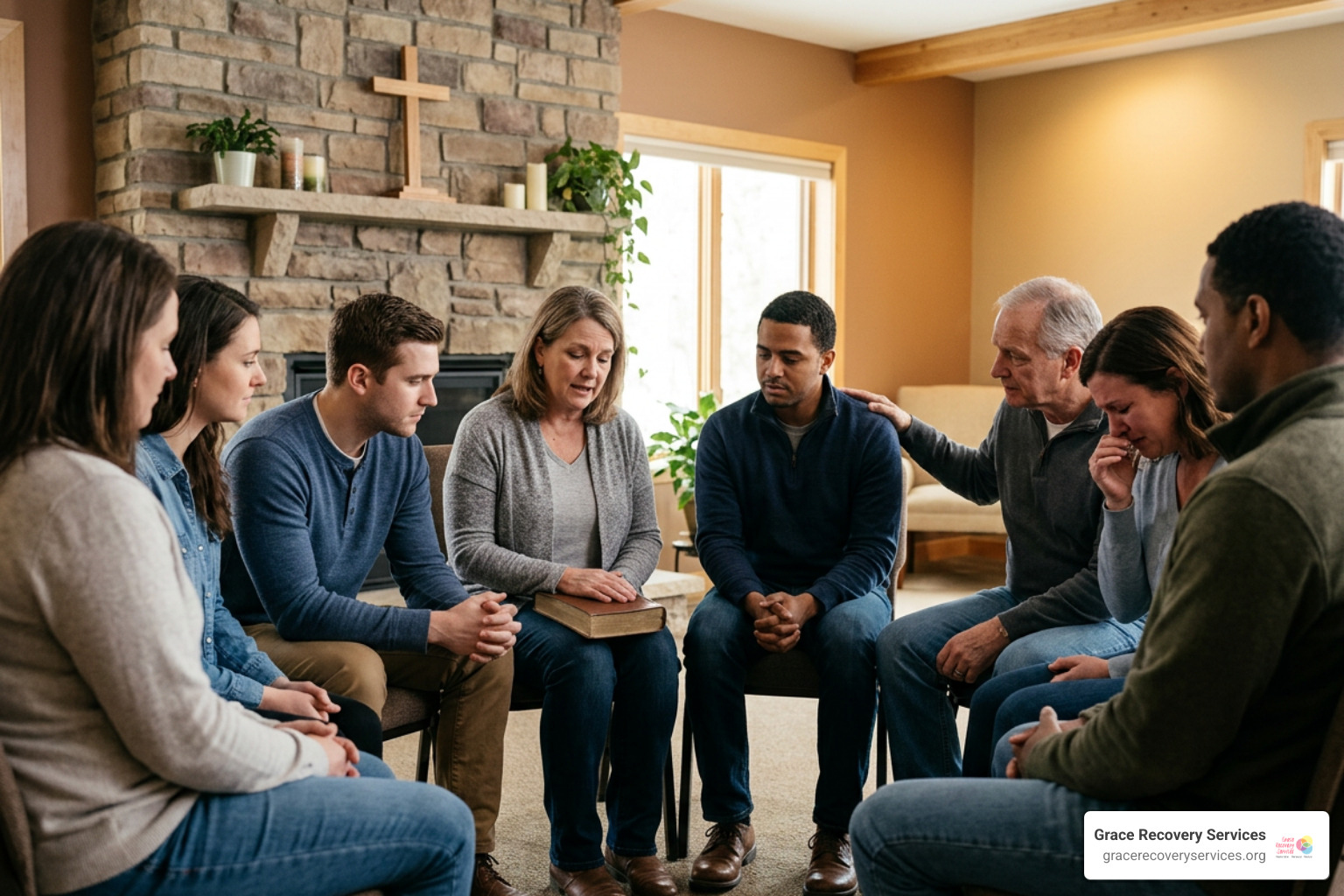
Intensive Outpatient Programming and Daily Structure
For those needing more structure than weekly individual therapy, an Intensive Outpatient Program (IOP) delivers comprehensive clinical care with schedule flexibility. Clients attend structured group therapy sessions, individual counseling, and educational workshops multiple days each week.
Our clinical teams in Western Pennsylvania provide tailored outpatient schedules designed to fit work and family life. If you are exploring regional scheduling and treatment structures, review our overview of Pittsburgh Christian outpatient rehab options to consider.
Key components of our outpatient programming include:
- Group Counseling: Exploring shared experiences, practicing communication, and building healthy relational patterns.
- Individual Therapy: One-on-one sessions addressing personal history, trauma, and specific triggers using the Counseling Blueprint.
- Relapse Prevention Education: Developing actionable coping mechanisms, identifying high-risk environments, and cultivating emergency support plans.
- Family Counseling: Restoring trust, setting healthy boundaries, and fostering open, Christ-centered family communication.
Trauma-Informed Pastoral Counseling and Mental Health Support
Trauma often leaves individuals carrying intense shame, guilt, and emotional pain. Our trauma-informed care ensures every client experiences physical, psychological, and emotional safety. Rather than asking “What is wrong with you?”, our clinicians ask “What happened to you?”
By pairing licensed clinical counseling with pastoral support, we help clients navigate complex grief and spiritual confusion without fear of judgment. Healing occurs when psychological truths are illuminated by unconditional grace.
Navigating Costs, Insurance, and Finding Quality Care
Understanding how to finance outpatient care should never be a barrier to getting help. Many clients use commercial health insurance, employer plans, or Medicaid to cover outpatient mental health and substance use services. To learn more about navigating coverage and financial planning, read our guide on smart ways to find affordable Christian rehab centers.
Quality Standards to Look for in Christian Based Rehabs
When evaluating faith-centered outpatient centers, it is vital to ensure that spiritual passion is matched by clinical excellence. Before choosing a provider, consider these key quality indicators:
- Licensed Professional Staff: Counselors should hold active state licenses (LPC, LCSW, LMFT, or certified addiction counselors).
- Evidence-Based Practices: The program should incorporate validated modalities like CBT and trauma-informed care alongside faith practices.
- Accreditation and Governance: Look for established clinical governance, state licensing, and recognition from organizations such as the Evangelical Council for Financial Accountability (ECFA) or state behavioral health departments.
- Person-Centered Philosophy: The facility should treat clients with dignity and individualized attention rather than a one-size-fits-all curriculum. For practical steps on making this decision, check out our insights on how to pick a Christian rehab without losing your mind or your faith.
Community Support and Long-Term Aftercare Options
Sustainable recovery continues long after formal outpatient therapy concludes. A strong aftercare plan helps clients stay connected to accountability and fellowship throughout Westmoreland County, Allegheny County, and the greater Pittsburgh area.
Essential ongoing support resources include:
- Celebrate Recovery (CR): A Christ-centered, 12-step recovery program hosted by local churches for anyone dealing with hurts, habits, or hang-ups.
- Faith-Based Alumni Groups: Regular fellowship and check-in meetings with peers who have completed outpatient treatment.
- Local Church Discipleship: Small groups, pastoral mentorship, and service opportunities that reinforce a sense of purpose.
- Ongoing Outpatient Therapy: Step-down individual therapy sessions to navigate major life transitions and maintain emotional balance.
Frequently Asked Questions About Christian Addiction Treatment
Do I have to be a practicing Christian to attend a faith-based recovery program?
No. While our programs are rooted in Christian values, we welcome individuals from all backgrounds, faiths, or stages of spiritual exploration. Our clinicians maintain an emotionally safe, compassionate environment that honors each person’s unique journey without coercion or judgment.
Does health insurance or Medicaid cover faith-based addiction recovery?
Yes, many health insurance plans and Medicaid programs cover outpatient addiction treatment and mental health counseling when delivered by licensed clinicians. Coverage depends on your specific benefits and medical necessity. Because plan terms vary, we encourage you to contact Grace Recovery Services directly for a personalized insurance verification and assessment.
Can I bring a service animal or pet to outpatient therapy sessions?
Trained service animals performing specific tasks for individuals with disabilities are permitted under federal and state guidelines. Emotional support animals or personal pets are generally not permitted in clinical group rooms to respect clients with allergies or phobias, though accommodations are evaluated on an individual basis.
Finding Lasting Restoration in Western Pennsylvania
Recovery is a journey of reclaiming hope, restoring health, and rediscovering your God-given purpose. By combining trauma-informed clinical expertise with the healing power of faith, you can move past shame and step into lasting freedom.
At Grace Recovery Services, we walk alongside individuals and families throughout Pittsburgh, Penn Hills, North Huntingdon, Irwin, and surrounding Western Pennsylvania communities. If you or someone you love is seeking outpatient care grounded in clinical excellence and Christian compassion, reach out today. Explore our faith-based addiction treatment services and let our dedicated team support your next step toward healing.
This article was researched with AI and heavily edited by Stephen Luther for accuracy and relevance.
Stephen Luther is the Executive Director and Founder of Grace Christian Counseling, Grace Recovery Services, WPA Counseling, NuWell Online Counseling and Coaching, and NuWell Health. He holds a Master’s degree in Education from the University of Georgia and a Master’s degree in Marriage and Family Therapy from Duquesne University. He is a licensed professional counselor in Pennsylvania.
Since 1997, Steve has been helping children, adolescents, and adults overcome a wide range of emotional and relational challenges. He specializes in working with hurting families, including those with foster, adopted, or traumatized children. Steve uses Attachment-Based Therapy, Splankna Healing, and Therapeutic Parent Coaching to support healing and restoration.
This guide is for educational and spiritual encouragement and is not a substitute for personalized professional counseling. If you are in crisis, please reach out for immediate help.