Holistic Healing in Pittsburgh: Your Quick-Start Guide to Whole-Person Recovery
Holistic healing in Pittsburgh is more available than ever — and if you or someone you love is navigating addiction, trauma, or emotional pain, knowing where to turn makes all the difference.
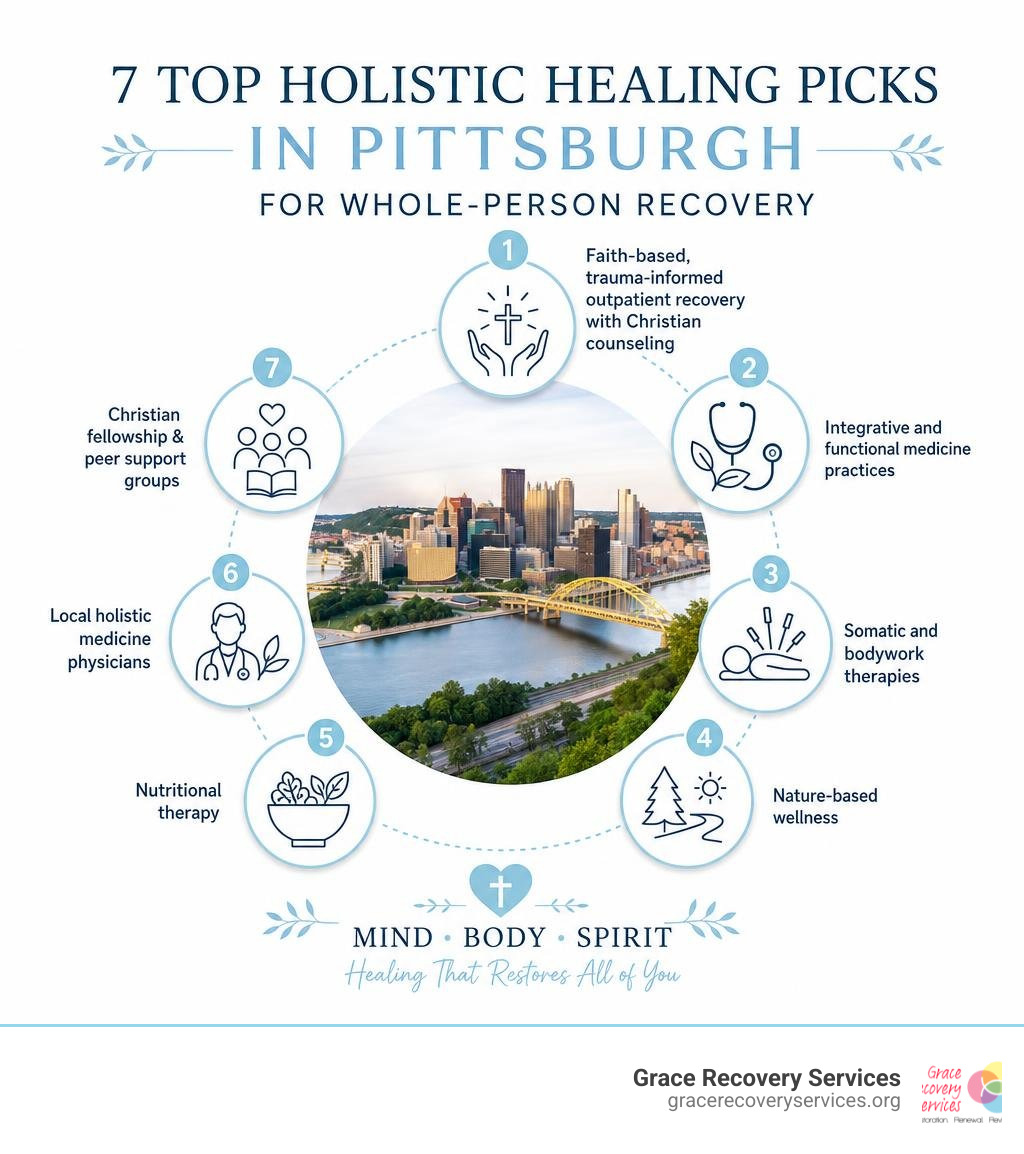
Here is a quick look at the top holistic healing options in the Pittsburgh and Western PA area:
- Grace Recovery Services – Faith-based, trauma-informed outpatient recovery with Christian counseling
- Integrative and functional medicine practices – Root-cause physical health support
- Somatic and bodywork therapies – Therapeutic massage, somatic therapy, and nervous system care
- Nature-based wellness – Outdoor mindfulness in Pittsburgh’s parks and green spaces
- Nutritional therapy – Gut-brain health and dietary recovery support
- Local holistic medicine physicians – Primary care with a whole-person lens
- Christian fellowship and peer support groups – Spiritual accountability and community
Pittsburgh has a well-earned reputation as a world-class medical city. But for many people — especially those walking through addiction, grief, or trauma — conventional medicine alone doesn’t reach the whole person.
True healing touches the mind, the body, and the spirit together.
That’s the heart of holistic care. And it’s why so many people in Western Pennsylvania are looking beyond a prescription pad toward approaches that restore all of who they are.
For those seeking recovery rooted in faith, the good news is this: Christian-integrated holistic healing isn’t just possible in Pittsburgh — it’s thriving here.
Whether you’re just starting to explore your options or you’re ready to take a real step forward, this guide walks you through seven of the best holistic healing paths available in the Pittsburgh area — starting with care that holds both clinical excellence and biblical hope together.
What is Holistic Healing and How Does It Differ from Conventional Medicine?
To understand the power of holistic healing Pittsburgh offers, it helps to understand what “holistic” actually means. Conventional Western medicine is incredibly effective at acute care and symptom management. If you break a bone or have an infection, conventional doctors are exactly who you need. However, Western medicine often takes a reductionist approach, viewing the body as a collection of isolated parts and treating symptoms with pharmaceuticals or surgery.
In contrast, holistic healing views you as a complete, interconnected being. Your physical health, mental state, emotional wellness, and spiritual vitality are all deeply woven together. When one area suffers, the entire system is thrown out of balance.
Instead of merely suppressing a symptom, a holistic approach seeks to discover and address the root causes of an issue. For example, rather than treating chronic anxiety solely with a prescription, a holistic practitioner looks at sleep patterns, gut health, unresolved emotional trauma, and spiritual disconnection.
In Western Pennsylvania, we are fortunate to live in a region that values both clinical excellence and integrative care. The UPMC Center for Integrative Medicine, established as the first hospital-based integrative center in Pittsburgh, has spent years showing how evidence-based complementary practices can work hand-in-hand with conventional medicine. Local faith-integrated clinics also help bridge this gap by offering comprehensive support to find underlying physiological and spiritual issues, helping individuals achieve true, God-given wellness.
The Christian Approach to Holistic Healing Pittsburgh
For many individuals in Allegheny and Westmoreland counties, true healing is incomplete without addressing the spirit. A Christian approach to holistic healing recognizes that we are created in the image of God as integrated beings: mind, body, and spirit.
When a person struggles with substance use or emotional trauma, the wounds are rarely just physical or chemical. There is often deep-seated emotional pain, relational brokenness, and a spiritual thirst that conventional treatments simply cannot quench.
By integrating biblical principles with modern clinical practices, faith-based healing offers a pathway of grace over shame. This approach replaces the clinical coldness of traditional settings with a warm, restorative environment where you are treated with dignity rather than labeled by your struggles.
We believe that trauma-informed care must honor how God designed our nervous systems to process and release pain. When science and scripture align, we see profound, lasting transformation. To understand how we weave these components together to support deep emotional recovery, explore The Whole Person Approach to Faith-Based Trauma Recovery.
7 Top Picks for Holistic Wellness and Recovery in Western Pennsylvania
Finding the right support in Allegheny County or Westmoreland County can feel overwhelming. To make your search easier, we have compiled seven top picks for holistic wellness and recovery, focusing on approaches that honor your physical, emotional, and spiritual needs.

Conventional vs. Holistic Recovery: At a Glance
| Recovery Dimension | Conventional Recovery Approach | Holistic & Faith-Integrated Approach |
|---|---|---|
| Primary Focus | Symptom suppression, physical detox, and behavioral modification | Root-cause resolution, nervous system regulation, and spiritual renewal |
| Treatment Lens | Viewing addiction or mental health as an isolated clinical issue | Addressing the interconnectedness of mind, body, spirit, and relationships |
| Core Tools | Medication management and standard talk therapy | Christian counseling, somatic practices, nutrition, and biblical truth |
| Environment | Clinical, hospital-like, or highly institutional settings | Warm, compassionate, community-centered, and shame-free spaces |
Pick 1: Grace Recovery Services for Faith-Based Holistic Healing Pittsburgh
At Grace Recovery Services, we provide outpatient addiction recovery and mental health support that honors your entire being. Operating from our welcoming offices in the Penn Hills area of Pittsburgh and North Huntingdon (near Irwin), we walk alongside clients in Western Pennsylvania who are seeking a deeper, lasting recovery.
We do not believe in a one-size-fits-all model. Instead, we offer a compassionate, trauma-informed outpatient program that combines evidence-based clinical therapy with deep Christian counseling. Through our signature Counseling Blueprint, we help you uncover the root causes of your pain, find freedom from substance use, and rebuild your life on a foundation of biblical truth.
Because we are an outpatient-only agency, our clients can receive intensive, professional care while remaining connected to their families, jobs, and local church communities. If you want to learn more about how we bridge clinical science and Christian faith, read about Faith-Integrated Recovery in Pittsburgh: Where Science Meets Spirit.
Pick 2: Integrative Medical Care and Functional Medicine
If you are looking to address the physical side of holistic healing, functional medicine is an invaluable resource. Unlike conventional primary care that often rushes you through a ten-minute appointment, functional medicine doctors in Western PA spend time analyzing your history, genetics, environment, and lifestyle.
They focus on root-cause physical health by addressing biochemical imbalances, gut health, and chronic inflammation. This is especially vital during recovery from substance use, as addiction can deplete the body of essential nutrients and disrupt hormone levels. We encourage our clients to coordinate with non-competing primary care functional practitioners to ensure their physical bodies are fully supported during the psychological and spiritual healing process.
Pick 3: Somatic Practices and Bodywork
Trauma is not just a mental loop of thoughts; it is physically stored in the body. When a person experiences prolonged stress, trauma, or substance use, their nervous system becomes stuck in a constant state of “fight, flight, or freeze.” Somatic practices and bodywork help release this trapped tension.
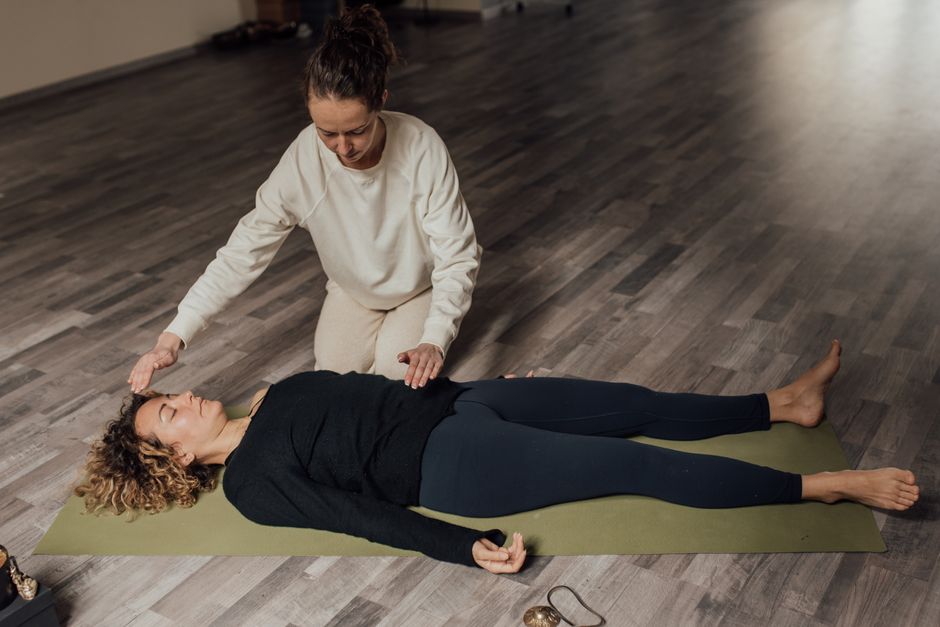
Somatic therapy and professional therapeutic massage are excellent ways to regulate the nervous system. By gently releasing physical tension, these therapies help quiet the mind and prepare the heart for deeper emotional and spiritual work. We approach these physical therapies through a biblical lens, recognizing that our bodies are temples of the Holy Spirit and that physical relaxation can open the door to spiritual peace and prayerful reflection.
Pick 4: Nature-Based Wellness in Pittsburgh’s Parks
Sometimes, the simplest holistic medicine is right outside your door. Pittsburgh is blessed with beautiful green spaces like Frick Park and Schenley Park, which offer quiet sanctuaries away from the noise of daily life.
Spending time in creation is a powerful, evidence-based way to lower cortisol levels, reduce anxiety, and practice mindfulness. Walking through these wooded trails allows you to slow down, breathe deeply, and reconnect with God’s design. Outdoor mindfulness provides a peaceful space for quiet prayer, reflection, and spiritual restoration.
Pick 5: Nutritional Therapy and Gut-Brain Health
There is a profound connection between what we eat and how we feel. The gut is often called the “second brain” because it produces a significant portion of our body’s neurotransmitters, including serotonin, which regulates mood and anxiety.
During active addiction or periods of intense trauma, nutrition is frequently neglected, leaving the brain starving for the building blocks it needs to heal. Working with a holistic nutritionist in Western Pennsylvania can help restore gut-brain health. By focusing on whole foods, healthy fats, and targeted dietary support, you can rebuild your physical health and give your brain the fuel it needs to maintain emotional balance and mental clarity.
Pick 6: Finding Local Doctors for Holistic Healing Pittsburgh
If you are looking for a primary care physician who understands the value of natural and holistic therapies, you don’t have to look far. In areas like Penn Hills and across Allegheny County, there are highly qualified medical doctors who integrate holistic approaches into their clinical practices.
Using resources like the Medifind directory can help you locate board-certified physicians who specialize in integrative medicine. Partnering with a doctor who respects your preference for natural therapies ensures your medical care aligns with your overall wellness goals. To find practitioners, check out NuWell Health.
Pick 7: Christian Fellowship and Community Support Groups
Healing does not happen in isolation. True, lasting recovery requires a supportive community that keeps you grounded, encouraged, and accountable.
Western Pennsylvania is home to vibrant, local church-based ministries and peer support groups. These spaces offer a safe harbor where you can share your struggles without fear of judgment. Engaging in Christian fellowship provides spiritual accountability, deep friendships, and the reminder that you are never alone on this journey.
The Counseling Blueprint: A Four-Stage Journey to Wholeness
At Grace Recovery Services, our clinical and spiritual care is anchored in a unique, structured healing process called the Counseling Blueprint. This four-stage journey is designed to help you move from pain and survival to a life of vibrant purpose and peace.

1. Take Off the Mask
Many people enter recovery carrying the heavy weight of shame, pretending everything is fine while suffering in silence. In this first stage, we focus on building genuine rapport and trust. We create a warm, non-judgmental space where you can safely take off the mask and be honest about your struggles, knowing you are met with grace.
2. Heal the Wounds
Addiction and mental health struggles are often symptoms of deeper, unaddressed pain. In this stage, we gently explore emotional and relational hurts, past trauma, and family dynamics. We help you process these wounds through a compassionate, clinical, and biblical lens so they no longer control your present.
3. Remove the Toxins
Over time, painful experiences can lead us to believe lies about ourselves, others, and God. These toxic, unhelpful beliefs keep us trapped in cycles of fear, anxiety, and self-sabotage. Together, we identify these lingering lies and begin the work of clearing them out of your mind and heart.
4. Replace with Truth
The final stage is about installation and empowerment. We replace those toxic lies with accurate, life-giving perspectives. By grounding your identity in biblical truth and God’s unconditional love, we help you build a resilient foundation for long-term sobriety, restored relationships, and a hopeful future.
To learn more about how our clinical team structures this compassionate approach to emotional recovery, read about our commitment to Trauma-Informed Care.
Frequently Asked Questions About Holistic Wellness in Western PA
How does faith integrate with holistic recovery?
Faith is not just an add-on to our clinical program; it is the foundation. A faith-integrated approach recognizes that spiritual renewal is essential for lasting emotional and physical recovery. By combining evidence-based clinical therapies with biblical hope, we help clients experience deep, transformative healing that addresses the spirit alongside the mind and body. Learn more about this integrated approach by reading about Christian Integrated Addiction Treatment.
What should I expect during a holistic outpatient program?
Our outpatient programs are designed to fit into your daily life. Clients participate in individual counseling, group therapy, and holistic wellness education while living at home. This flexible scheduling allows you to apply the healing principles you learn in real-time within your family, work, and community environments. To explore our outpatient options, see our guide on Mental Health and Addiction Services.
Can holistic therapies complement traditional medical treatments?
Absolutely. We believe in the power of coordinated care. Holistic therapies work beautifully alongside conventional medical treatments, such as medication-assisted treatment (MAT) or primary medical care. Our team prioritizes safety and open communication, ensuring your holistic recovery plan supports and coordinates with your medical providers. To see how we coordinate these services, read about Integrated Treatment for Addiction and Mental Health.
Conclusion: Take Your First Step Toward Restoration
Healing is not about fixing a single symptom; it is about restoring your entire life. If you are tired of merely surviving and are ready to experience true, whole-person renewal, we are here to walk with you.
At Grace Recovery Services, we offer a safe, compassionate space where shame is replaced by grace, and clinical excellence meets biblical truth. Whether you are in Penn Hills, North Huntingdon, or anywhere in the greater Pittsburgh area, your journey to wholeness can start today.
You do not have to walk this path alone. Reach out to us today to learn more about our faith-based outpatient programs and take your first step toward lasting recovery. Explore our programs and connect with our team at Faith-Based Rehab in Pittsburgh.
This article was researched with AI and heavily edited by Stephen Luther for accuracy and relevance.
Stephen Luther is the Executive Director and Founder of Grace Christian Counseling, Grace Recovery Services, WPA Counseling, NuWell Online Counseling and Coaching, and NuWell Health. He holds a Master’s degree in Education from the University of Georgia and a Master’s degree in Marriage and Family Therapy from Duquesne University. He is a licensed professional counselor in Pennsylvania.
Since 1997, Steve has been helping children, adolescents, and adults overcome a wide range of emotional and relational challenges. He specializes in working with hurting families, including those with foster, adopted, or traumatized children. Steve uses Attachment-Based Therapy, Splankna Healing, and Therapeutic Parent Coaching to support healing and restoration.
This guide is for educational and spiritual encouragement and is not a substitute for personalized professional counseling. If you are in crisis, please reach out for immediate help.