
Find Compassionate Trauma and Addiction Support Near You
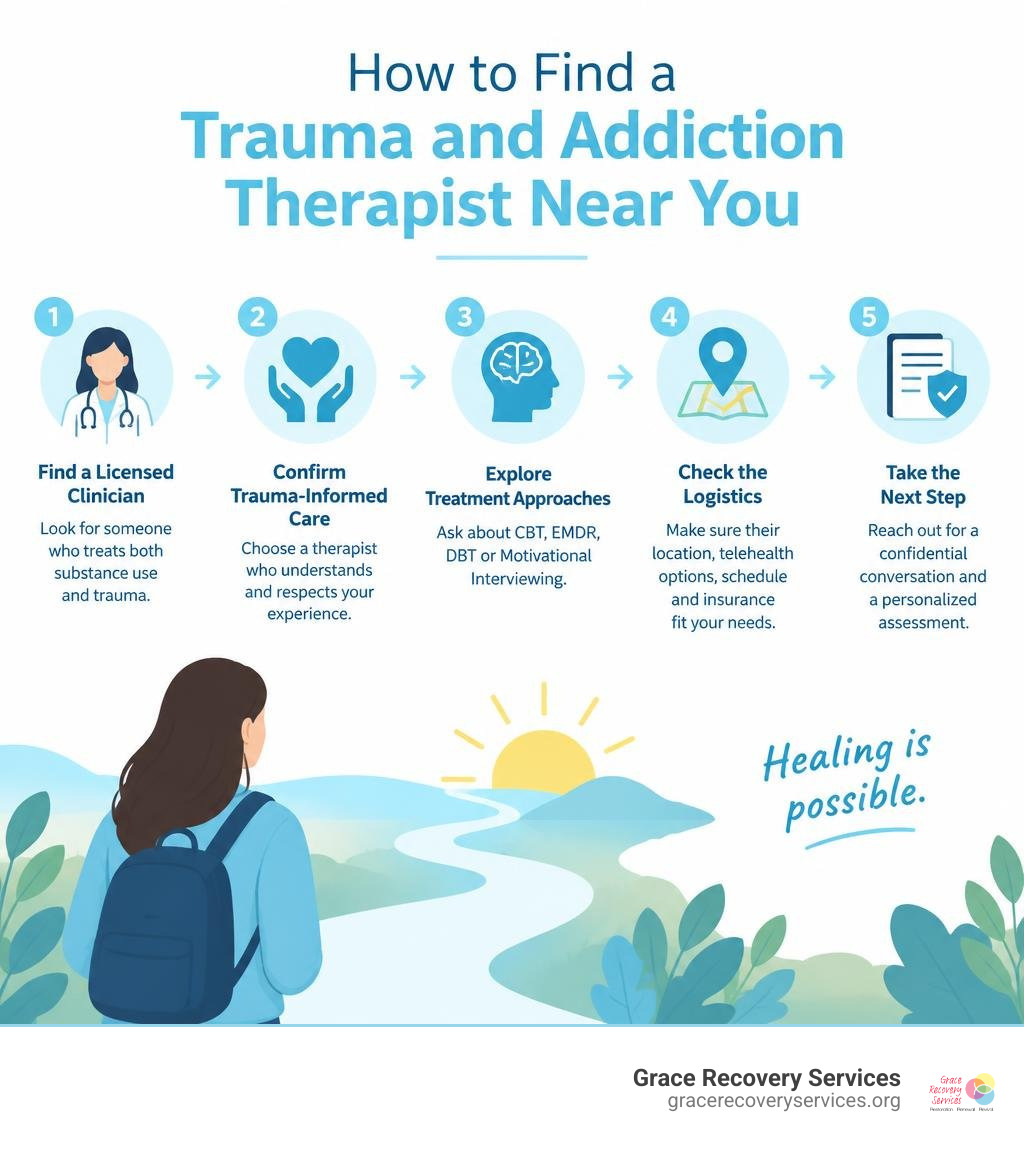
To find a trauma and addiction therapist near me, start by looking for a licensed clinician who treats both substance use and trauma, not just one concern. Confirm that they offer trauma-informed care, ask about approaches such as CBT, EMDR, DBT, or Motivational Interviewing, and check whether their location, telehealth options, schedule, and insurance fit your needs.
At Grace Recovery Services, we understand that substance use can become a way to cope with overwhelming pain, fear, loss, or traumatic experiences. Healing is not about blame. It is about finding safer tools, building support, and addressing the underlying wounds that may keep the cycle going.
For clients and families in Pittsburgh and Western Pennsylvania, our outpatient programs combine evidence-based, trauma-informed treatment with Christian counseling and compassionate faith-based recovery support. Whether you need ongoing therapy, an intensive outpatient program (IOP), partial hospitalization program (PHP), or aftercare, the first step is a confidential conversation and a personalized assessment.
You do not need to have every answer before reaching out. You only need a safe place to begin.
Quick trauma and addiction therapist near me terms:
For a broader understanding of co-occurring conditions, the National Institute on Drug Abuse offers research on substance use and mental health.
Understanding the Connection Between Unresolved Trauma and Substance Use
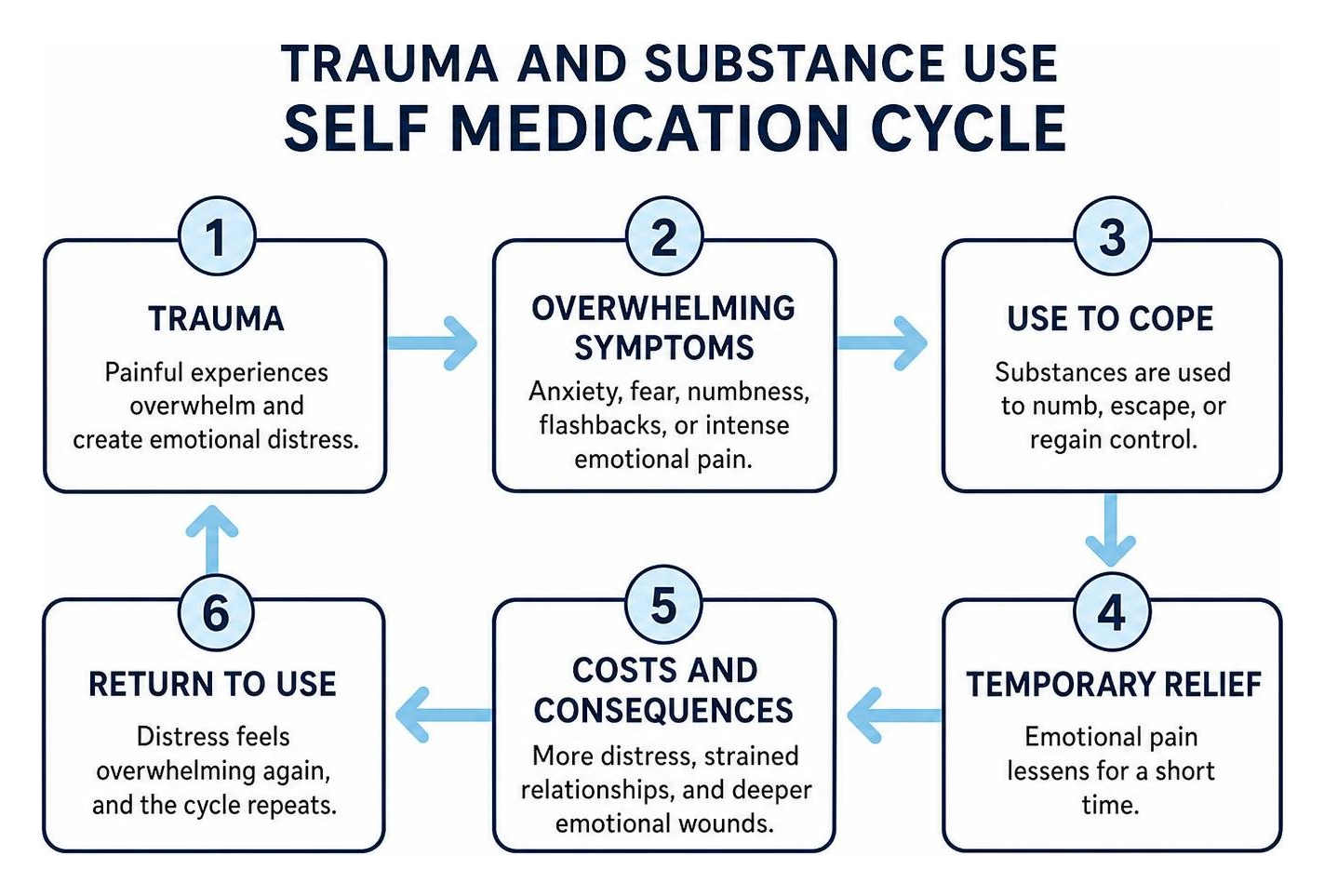
When painful events occur—whether a single distressing event or prolonged chronic stress—the human nervous system adapts to survive. For many individuals, these adaptations can manifest as hypervigilance, emotional numbness, persistent anxiety, or sudden flashbacks. When the weight of unresolved pain feels impossible to bear, substances often become an attempt to regulate overwhelming emotions, alleviate emotional suffering, or regain a fleeting sense of internal control.

This coping mechanism often develops into a difficult cycle. What begins as an effort to quiet internal distress can gradually transform into a substance use disorder that creates additional distress, strained relationships, and deeper emotional wounds. Estimates show that nearly 40 percent of individuals experiencing a substance use disorder also navigate co-occurring mental health challenges, with trauma frequently operating beneath the surface.
Treating substance use without addressing its origins is much like pulling the top off a weed while leaving the root intact. Real, lasting change happens when we walk alongside you to gently explore those deeper experiences through integrated treatment for addiction and mental health. By utilizing evidence-based trauma treatment, we help you understand how your nervous system responded to past events, while building practical tools to regain balance and peace.
Why Dual Diagnosis Care Matters
Dual diagnosis care means that mental health challenges and substance use disorders are treated simultaneously by the same clinical team. When trauma symptoms and addiction are addressed in separate silos, people often find themselves caught in a revolving door of temporary relief followed by relapse. A sudden emotional trigger can spark intense cravings, while unaddressed cravings make managing stress far more difficult.
Integrated co-occurring treatment recognizes that your mind, emotions, and daily habits are interconnected. In dual diagnosis care, our goal is not just symptom management; it is helping you establish emotional safety, uncover unhelpful belief systems, and build resilience so you can navigate life’s challenges without turning to substances.
Effective Therapeutic Modalities for Co-Occurring Recovery
Effective outpatient treatment relies on clinical modalities tailored to your personal history. Some of the most helpful evidence-based therapies for co-occurring trauma and addiction include:
- Cognitive Behavioral Therapy (CBT): Helps identify and reshape automatic negative thoughts, high-risk situations, and unhealthy behavioral patterns.
- Eye Movement Desensitization and Reprocessing (EMDR): Assists the brain in reprocessing traumatic memories so they no longer trigger an overwhelming fight-or-flight reaction.
- Dialectical Behavior Therapy (DBT): Teaches practical skills for distress tolerance, emotional regulation, and mindfulness.
- Motivational Interviewing (MI): A person-centered counseling style that strengthens your internal motivation for change and personal growth.
- Somatic and Experiential Practices: Mind-body techniques that help release chronic tension stored in the body, restoring physical and emotional calm.
Exploring trauma-informed addiction treatment options can help you discover which specific clinical modalities align best with your healing process.
How to Choose a Trauma and Addiction Therapist Near Me
Finding the right clinician is a meaningful and personal decision. You deserve a professional who brings clinical competence, deep empathy, and an approach that respects your values and background.

When seeking support in the Pittsburgh area or throughout Western Pennsylvania, consider the following practical factors:
- Dual Diagnosis Focus: Confirm that the clinician specializes in both substance use disorders and trauma recovery, rather than treating addiction as an isolated issue.
- Clinical Licensure and Training: Look for fully credentialed professionals who adhere to state licensure boards and ethical standards.
- Logistics and Accessibility: Consider whether in-person sessions at a local center, secure telehealth options, or a combination of both best supports your daily schedule.
- Values and Personal Alignment: If your spiritual life is an important source of strength, finding a provider who offers Christian counseling and faith-integrated support can make a profound difference.
For those starting their search in Allegheny County or Westmoreland County, exploring trauma recovery in Pittsburgh can help clarify local community resources and next steps.
What Credentials to Look for in a Trauma and Addiction Therapist Near Me
Mental health professionals hold various licenses, each reflecting extensive graduate education, supervised clinical hours, and rigorous state board examinations:
- LPC (Licensed Professional Counselor): Clinicians trained in comprehensive mental health assessment, psychotherapy, and emotional wellness.
- LCSW (Licensed Clinical Social Worker): Counselors specializing in therapeutic interventions, family systems, and community resources.
- LMFT (Licensed Marriage and Family Therapist): Therapists focused on relational dynamics, couples counseling, and family healing.
- CAC / CADC (Certified Addictions Counselor): Professionals with specialized certifications in substance use counseling and relapse prevention.
Clinicians may also hold advanced certificates in trauma-focused care, demonstrating specialized expertise in processing relational hurts, grief, and complex trauma.
Key Questions to Ask During Your Initial Consultation
Most outpatient agencies and therapists offer an initial consultation. Asking a few clear questions can help you determine if a clinician is the right fit:
- “How do you integrate trauma therapy with substance use recovery?”
- “What evidence-based modalities (like CBT, DBT, or EMDR) do you regularly use?”
- “Do you offer specialized outpatient programs, such as IOP or PHP, if I need more structured support?”
- “How do you integrate faith or personal values into the therapeutic process if requested?”
- “What does a typical relapse prevention plan look like in your care?”
Navigating Outpatient Levels of Care and Support Modalities
Recovery does not require pausing your life or leaving your community. In fact, more than three-quarters of people who experience addiction recover, and most individuals with substance use disorders receive care through outpatient services. Outpatient care allows you to receive intensive clinical support while remaining at home, maintaining employment, and caring for your family.
| Outpatient Level of Care | Typical Time Commitment | Primary Focus & Benefits |
|---|---|---|
| Partial Hospitalization Program (PHP) | 4–6 hours daily, several days a week | Highly structured clinical stabilization, daily therapeutic groups, comprehensive dual diagnosis care while living at home. |
| Intensive Outpatient Program (IOP) | 9–15 hours weekly (day or evening) | Focused group therapy, individual counseling, coping skill development, and relapse prevention balancing work or family life. |
| Standard Outpatient Therapy | 1–2 hours per week | Ongoing individual counseling, deep trauma processing, long-term personal growth, and relational healing. |
Through outpatient levels of care, individuals gain real-world practice applying coping strategies directly to their everyday lives.
Involving Family and Loved Ones in the Healing Journey
Addiction and unresolved trauma rarely affect just one person; they can strain communication, disrupt household trust, and create emotional distance among family members. Relational repair is an essential component of long-term healing.
Family counseling sessions provide a safe, mediated space to:
- Establish healthy, compassionate boundaries that protect everyone’s well-being.
- Learn about the biological and psychological nature of trauma and substance use disorders.
- Rebuild broken trust through consistent, honest communication.
- Create a peaceful, supportive home environment that encourages sustained renewal.
The Role of Faith-Based and Holistic Recovery
True healing involves restoring the whole person—mind, body, and spirit. For many individuals, faith is a vital anchor that offers purpose, hope, and freedom from shame.
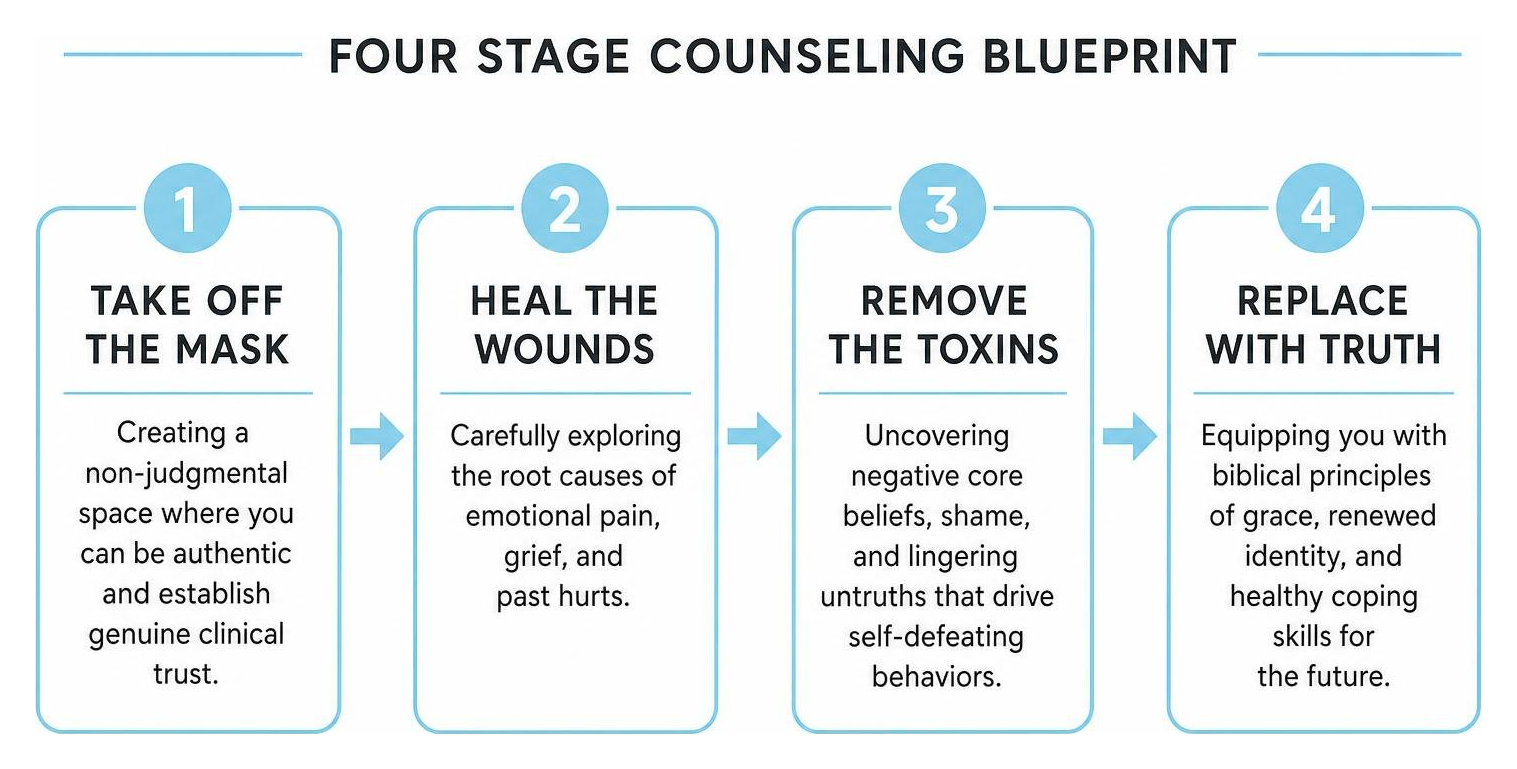
At Grace Recovery Services, our care is guided by our four-stage Counseling Blueprint:
- Take Off the Mask: Creating a non-judgmental space where you can be authentic and establish genuine clinical trust.
- Heal the Wounds: Carefully exploring the root causes of emotional pain, grief, and past hurts.
- Remove the Toxins: Uncovering negative core beliefs, shame, and lingering untruths that drive self-defeating behaviors.
- Replace with Truth: Equipping you with biblical principles of grace, renewed identity, and healthy coping skills for the future.
Integrating faith-based trauma recovery alongside evidence-based therapies allows you to experience profound personal renewal. Following a structured path for healing from addiction and trauma helps make this process approachable and sustainable.
What to Expect When Working with a Trauma and Addiction Therapist Near Me
Reaching out for help can feel intimidating, but knowing what to expect during your first session can ease your concerns. Your initial appointment focuses on understanding your unique story and establishing emotional safety.
During your initial intake, our team will:
- Conduct a confidential, compassionate assessment of your mental health and substance use history.
- Discuss your personal goals, values, and preferred approaches to healing.
- Collaborate with you to determine the appropriate outpatient level of care (such as PHP, IOP, or standard outpatient therapy).
- Answer any logistical questions about scheduling, insurance coverage, and program expectations.
We emphasize safety and dignity from day one. Understanding why trauma-informed drug rehab transforms the path to long-term sobriety can guide you in finding the best western pa trauma rehab for your needs across our outpatient centers.
Frequently Asked Questions About Trauma and Addiction Therapy
How long does outpatient recovery therapy typically take?
Recovery is an individualized journey rather than a race with a fixed deadline. Some clients participate in structured programs like IOP or PHP for several weeks or months before transitioning to weekly outpatient therapy for ongoing trauma processing and aftercare. The timeline depends on your unique history, personal goals, and the depth of support needed. Research indicates that after five years of sustained recovery, a person’s risk of returning to substance use decreases significantly, demonstrating that consistent, long-term support builds lasting resilience.
What should I do if I feel nervous or ashamed about reaching out?
Feeling nervous or hesitant is completely normal. Many people carry heavy feelings of shame, believing their struggles are personal failures rather than responses to overwhelming pain. In our outpatient centers, we replace judgment with grace. You do not have to share every detail of your life on day one. Therapy moves at a pace that feels safe for you, focusing on building trust and developing practical tools for daily life.
Can outpatient therapy help if past recovery attempts were unsuccessful?
Yes. If past recovery attempts felt unsuccessful, it is often because the underlying trauma was left unaddressed, or the care did not fully treat co-occurring mental health challenges. When you receive comprehensive dual diagnosis care that targets the root causes of pain while providing ongoing community support, sustainable healing becomes entirely possible. There is always reason for hope.
Conclusion
Finding freedom from co-occurring trauma and substance use is not a journey you have to walk alone. When you address the root causes of emotional pain with compassionate clinical guidance and faithful encouragement, lasting restoration is within reach.
At Grace Recovery Services, we offer trauma-informed, faith-based outpatient programs—including PHP, IOP, individual therapy, and aftercare—designed to support the whole person: mind, body, and spirit. With convenient outpatient offices located in Pittsburgh (Penn Hills) and North Huntingdon, our experienced team provides a safe, welcoming environment where you can rebuild your life with dignity and purpose.
To learn more about our philosophy of care and start your recovery journey, explore our approach to trauma-informed care and contact us today for a confidential, personalized assessment.
This article was researched with AI and heavily edited by Stephen Luther for accuracy and relevance.
Stephen Luther is the Executive Director and Founder of Grace Christian Counseling, Grace Recovery Services, WPA Counseling, NuWell Online Counseling and Coaching, and NuWell Health. He holds a Master’s degree in Education from the University of Georgia and a Master’s degree in Marriage and Family Therapy from Duquesne University. He is a licensed professional counselor in Pennsylvania.
Since 1997, Steve has been helping children, adolescents, and adults overcome a wide range of emotional and relational challenges. He specializes in working with hurting families, including those with foster, adopted, or traumatized children. Steve uses Attachment-Based Therapy, Splankna Healing, and Therapeutic Parent Coaching to support healing and restoration.
This guide is for educational and spiritual encouragement and is not a substitute for personalized professional counseling. If you are in crisis, please reach out for immediate help.