
biblical Counseling for Alcohol Addiction: Hope, Safety, and Practical Support
biblical counseling for alcohol addiction helps clients address both the drinking pattern and the deeper struggles that can fuel it, such as fear, shame, anger, grief, or a desire to escape. At Grace Recovery Services, we combine Christian counseling, trauma-informed care, practical relapse-prevention skills, and appropriate clinical support.
A helpful first step is to:
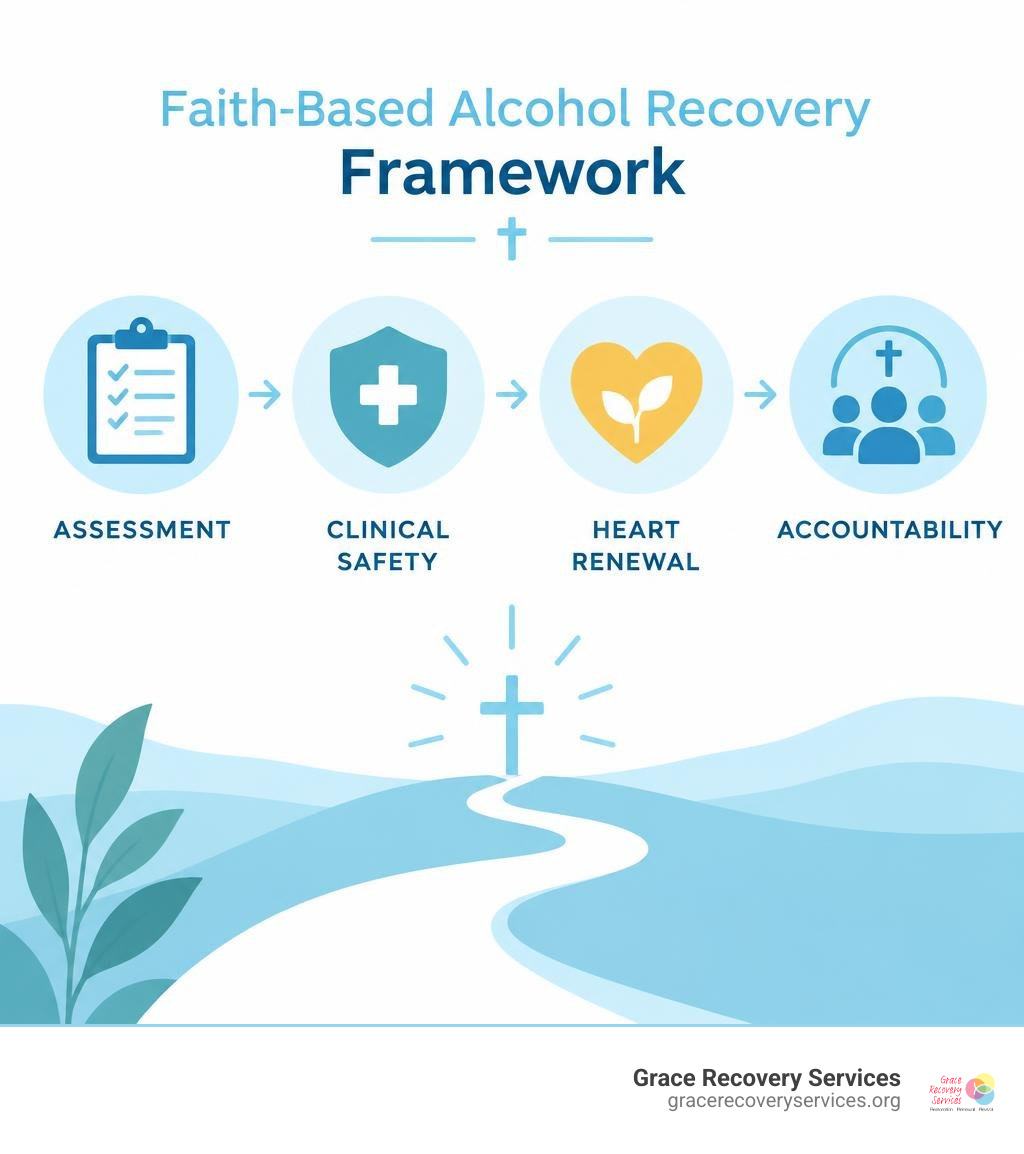
- Seek a professional assessment, especially if alcohol withdrawal may be a concern.
- Identify triggers, high-risk situations, and the beliefs that make alcohol feel necessary.
- Build a plan for prayer, Scripture, accountability, healthy routines, and support.
- Stay connected to outpatient care and a trusted church community rather than facing recovery alone.
The Bible speaks plainly about drunkenness and bondage, while also offering real hope for change. biblical counseling does not reduce a person to a diagnosis or a past failure. It invites honest repentance, renewed thinking, and a growing dependence on Christ – while treating physical health, trauma, relationships, and mental health concerns with care.
For clients in Pittsburgh and Western Pennsylvania, our outpatient services include faith-based addiction recovery, Christian counseling, PHP and IOP support, and aftercare planning. If you or someone you love is struggling, contact Grace Recovery Services for a personalized assessment.
Common biblical counseling alcohol addiction vocab:
Understanding biblical Counseling Alcohol Addiction: Heart Transformation vs. Disease Model
When someone battles a compulsive pull toward alcohol, they often encounter conflicting explanations of their struggle. Secular viewpoints frequently define substance dependence strictly through a medical lens, framing addiction as a chronic, progressive, and incurable disease of the brain. While neurobiology clearly illustrates how repetitive substance use reshapes neural pathways, the disease model alone often leaves individuals with a message of management rather than lasting transformation.
In contrast, our approach to biblical counseling alcohol addiction examines the deeper spiritual roots of human behavior. Scripture reveals that our actions flow directly out of the heart (Proverbs 4:23). When alcohol becomes the primary refuge for dealing with anxiety, pain, fatigue, or relational wounds, it takes the functional place of God. The Bible categorizes this dynamic not merely as biological dysfunction, but as a form of spiritual bondage and idolatry—a misplaced worship disorder where a created substance is trusted to provide the peace, comfort, and relief that only the Creator can supply.
Exploring theological foundations for counseling addicted believers shows that viewing addiction through Scripture restores human dignity and moral agency. Rather than labeling someone as permanently powerless, understanding what the Bible says about substance abuse clarifies that true renewal begins when we take our deepest longings to Christ.

Core Foundations of biblical Counseling Alcohol Addiction
The Scriptures offer vivid descriptions of chemical dependency. In Proverbs 23:29–35, the writer portrays the sorrow, strife, physical wounds, and disorientation of excessive drinking, culminating in the tragic reality of chemical bondage: “When shall I awake? I will seek yet another drink.”
Romans 6 explains that every human being operates in a master-servant relationship. We either present ourselves as servants to sin, which leads to spiritual decay, or as servants to righteousness, which produces life and holiness. Addiction is voluntary slavery to a counterfeit master that promises freedom but delivers chains.
| Dimension | Secular Disease Model | biblical Heart Transformation |
|---|---|---|
| Primary Root | Irreversible brain disease and genetic determinism | Heart idolatry, worship disorder, and relational wounds |
| Personal Identity | Lifelong addict or alcoholic in perpetual management | Redeemed child of God, new creation in Christ |
| Core Problem | Biological defect requiring behavioral coping | Enslaving desires and false beliefs requiring spiritual renewal |
| Hope for Healing | Managing symptoms to prevent inevitable relapse | Complete spiritual transformation and lasting freedom |
| Role of Will | Powerless over an incurable physiological condition | Empowered by the Holy Spirit to walk in self-control |
Addressing Physiological Dependence and Safety
While biblical counseling targets the heart, Scripture never ignores the physical body. God created human beings as an integrated union of body and soul. Heavy, chronic alcohol use creates severe physical neuroadaptation, and abrupt cessation can lead to life-threatening medical emergencies, including seizures and delirium tremens.
Responsible Christian counseling recognizes physiological realities. We never advise clients with heavy alcohol dependence to quit abruptly without proper medical oversight. When a client shows signs of physical dependence, biblical stewardship requires connecting them with qualified medical professionals for safe withdrawal before diving into intensive outpatient counseling. Honoring the body through clinical safety supports the spiritual work of heart renewal.
The Engine of Change: biblical Repentance and Dismantling Heart Deceptions
Lasting sobriety is never achieved by willpower alone or simple behavior modification. To experience enduring restoration, we must address the internal engines of change: uncovering deceptive heart beliefs and engaging in genuine, biblical repentance.
Through our four-stage Counseling Blueprint—1. Take Off the Mask, 2. Heal the Wounds, 3. Remove the Toxins, and 4. Replace with Truth—we guide clients through a structured healing journey. Exploring comprehensive Christian addiction counseling principles provides the tools needed to untangle emotional pain and discover real freedom.

Identifying Underlying Desires and Root Narratives
Alcohol dependency rarely happens in a vacuum. It is usually driven by underlying narratives and unmet desires:
- The Escape Narrative: “Life is too painful, stressful, or demanding; I deserve a break from reality.”
- The Entitlement Narrative: “I have worked hard and suffered enough; God owes me this comfort.”
- The Self-Medication Narrative: “My trauma, shame, or grief is unbearable, and a drink is the only thing that quiets the noise.”
In our counseling sessions, we help clients identify these deceptive beliefs. As taught in pastoral guides on addiction as a worship disorder, cravings are displaced longings for God’s peace. By bringing hidden shame and emotional wounds into the light of Christ, the power of self-deception is broken.
True Repentance vs. Secular Relapse Prevention
Secular programs often focus on relapse prevention through habit tracking, willpower, and avoiding external triggers. While practical boundaries are helpful, external management cannot heal an aching soul.
biblical repentance (metanoia) involves a complete renewal of the mind and a transformation of affections. As Paul explains in 2 Corinthians 7:10, worldly sorrow produces regret and fear of consequences, whereas godly sorrow produces repentance leading to salvation without regret.
Proverbs 28:13 declares, “Whoever conceals his transgressions will not prosper, but he who confesses and forsakes them will obtain mercy.” Walking through essential biblical recovery steps allows clients to trade the exhausting cycle of guilt and relapse for true forgiveness, genuine habit replacement, and spiritual vitality.
Practical Strategies: Developing a biblical Temptation and Victory Plan
Temptation is an inevitable part of life, but it does not have to result in relapse. First Corinthians 10:13 reassures us that God is faithful and will not allow us to be tempted beyond our ability, providing a way of escape so that we may endure it.
Gaining victory over alcohol requires a proactive game plan that blends spiritual disciplines with concrete daily boundaries. Having access to Christian support for alcoholism recovery ensures you never have to navigate these strategies in isolation.
Offense and Defense: Putting on Christ and Making No Provision for the Flesh
A biblical recovery strategy balances active spiritual growth (offense) with protective lifestyle boundaries (defense), grounded in Romans 13:14: “Put on the Lord Jesus Christ, and make no provision for the flesh, to gratify its desires.”
To build a reliable defense against alcohol dependency, consider these proactive daily actions:
- Eliminate Access: Remove all alcohol from your home, vehicle, and workspace immediately.
- Alter Daily Routes: Change your commute to avoid driving past liquor stores, bars, or former social spots.
- Manage Social Circles: Step away from relationships and environments centered around drinking culture.
- Institute Financial Accountability: Share bank and credit card statements with a spouse, family member, or mentor.
- Practice the ‘Joseph Method’: When sudden temptation strikes, physically leave the room or environment immediately (Genesis 39:12).
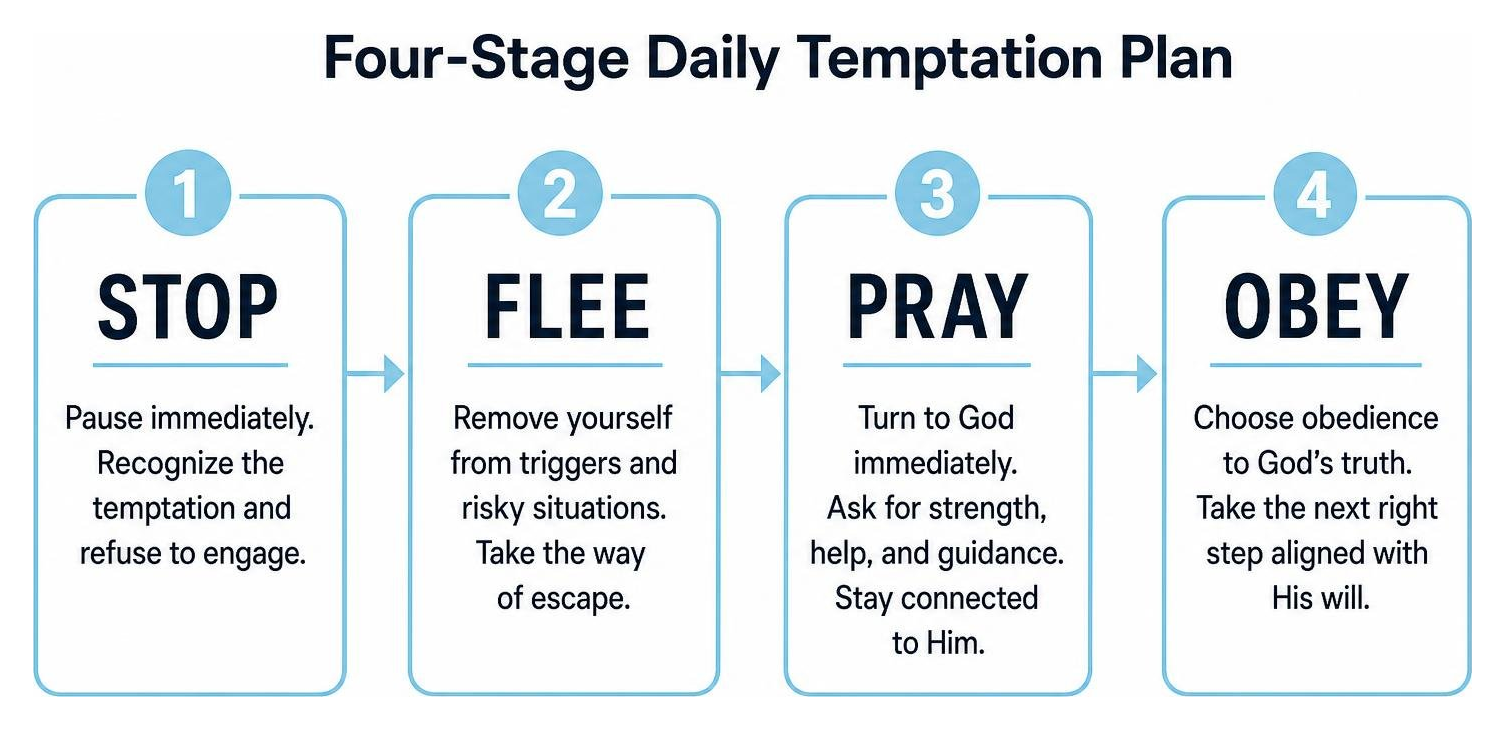
- Engage the Four-Step Action Loop: Stop the thought, Get away from the physical trigger, Pray for strength (Hebrews 4:16), and Obey the next righteous step.
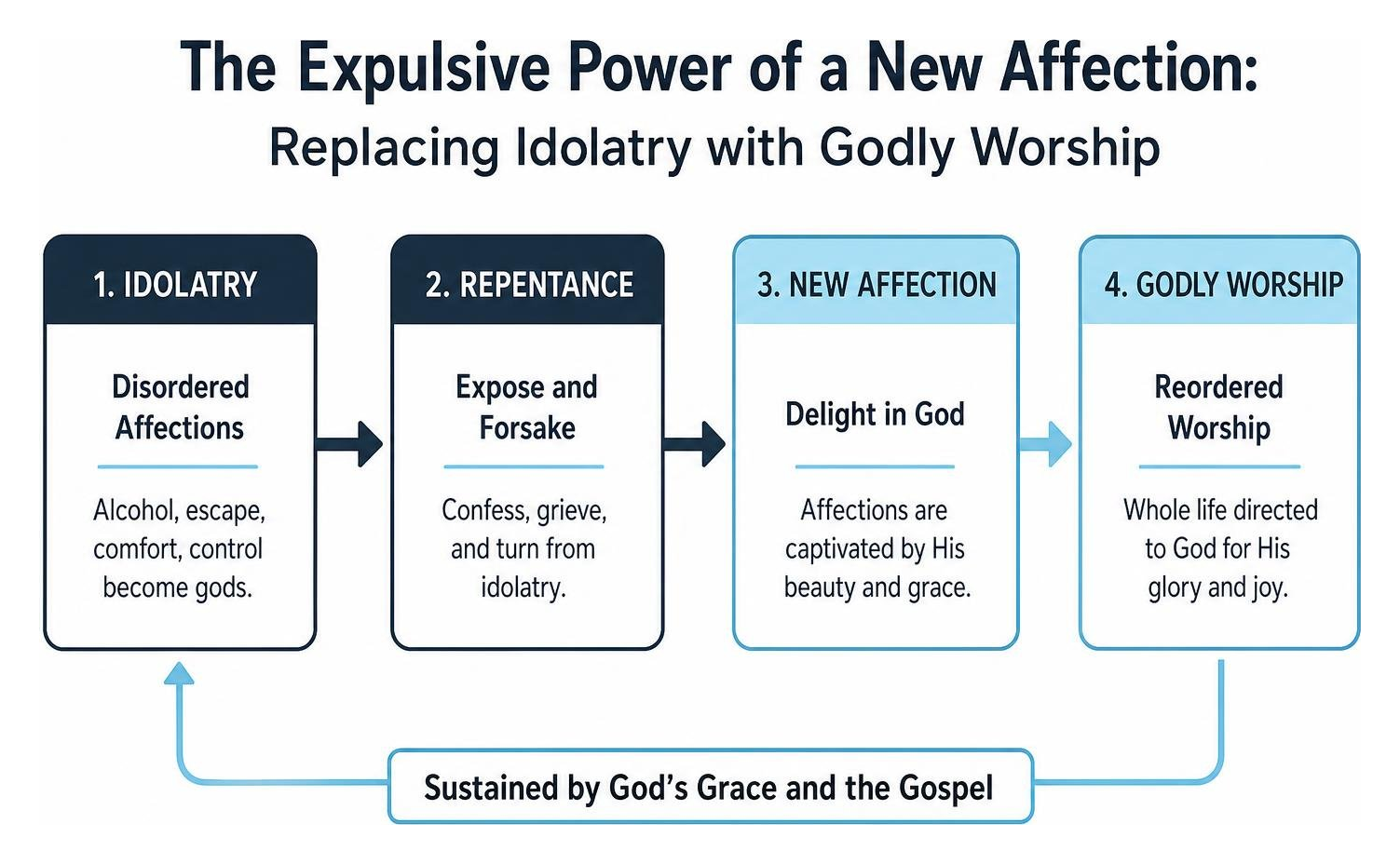
On offense, we put on Christ (Ephesians 4:22–24) by filling the heart with truth. As Scottish theologian Thomas Chalmers observed, the most effective way to eliminate an old desire is through the “expulsive power of a new affection.” When we cultivate deeper joy in God through daily Scripture meditation, prayer, and serving others, the artificial appeal of alcohol fades.
The Role of Church Community and Radical Accountability
Addiction thrives in secrecy, isolation, and shame. When an individual attempts to fight alcohol alone, vulnerability to relapse multiplies.
James 5:16 urges us to “confess your sins to one another and pray for one another, that you may be healed.” Genuine accountability is not about waiting for someone to catch you; it is about choosing proactive, transparent living. By engaging with a local Bible-believing church in Allegheny or Westmoreland County, individuals find a supportive spiritual family that shares burdens, offers regular encouragement, and walks alongside them in grace.
Integrating Clinical Outpatient Care with Scriptural Transformation
At Grace Recovery Services, we recognize that recovery requires nurturing the whole person—mind, body, and spirit. Combining evidence-based clinical therapies with Christian counseling creates a compassionate, balanced foundation for healing.
Our outpatient programs incorporate evidence-based modalities like Cognitive Behavioral Therapy (CBT), acceptance-based coping skills, and trauma-informed care. These clinical tools help clients identify cognitive distortions, manage emotional dysregulation, and process unresolved traumatic events. When paired with the timeless truths of Scripture, integrating Scripture with clinical therapy helps clients discover their true identity in Christ and walk in long-term freedom.
Implementing biblical Counseling Alcohol Addiction in Outpatient Care
Outpatient care allows individuals to receive intensive, professional treatment while living at home and maintaining work, school, and family commitments. We provide structured outpatient support tailored to each client’s unique journey:
- Partial Hospitalization Programs (PHP): High-level structured outpatient support for individuals needing intensive daily care and stabilization.
- Intensive Outpatient Programs (IOP): Flexible day and evening clinical sessions focusing on relapse prevention, emotional regulation, trauma resolution, and faith integration.
- Dual-Diagnosis and Trauma Care: Addressing co-occurring mental health conditions such as depression, anxiety, PTSD, and complex relational trauma.
- Aftercare Planning: Continued Christian counseling, mentorship, and peer support to sustain long-term sobriety.
For individuals across Pittsburgh, Penn Hills, North Huntingdon, and surrounding communities, our Western PA Christian addiction counseling provides compassionate care rooted in grace.
Frequently Asked Questions About biblical Alcohol Recovery
Is alcohol addiction considered a sin or a disease in biblical counseling?
biblical counseling views addiction primarily as a spiritual issue of the heart—a form of idolatry and voluntary bondage where a person seeks comfort from a substance rather than God. However, Scripture also recognizes the physical vulnerabilities of the body. Chronic alcohol misuse alters brain chemistry and creates physiological dependence. Rather than viewing the struggle as an incurable medical condition that removes moral agency, biblical counseling restores dignity by addressing the physical body with safe medical practices while transforming the heart through Christ.
How does biblical counseling handle dangerous alcohol withdrawal symptoms?
biblical counselors prioritize client safety and clinical ethics. Abrupt alcohol cessation can trigger severe, life-threatening withdrawal complications. Christian counseling coordinates closely with qualified medical professionals and physicians to ensure clients complete safe, medically monitored detoxification when indicated. Once physical stability is secured, outpatient biblical counseling proceeds to address the emotional, psychological, and spiritual roots of substance dependence.
Can someone truly be permanently freed from alcohol dependence through Christ?
Yes. While secular recovery paradigms often insist that an individual remains an addict or alcoholic for life, the Gospel offers a different promise. In 1 Corinthians 6:9–11, after listing those enslaved to various sins (including drunkenness), Paul writes: “And such were some of you. But you were washed, you were sanctified, you were justified in the name of the Lord Jesus Christ and by the Spirit of our God.” Through ongoing sanctification, renewing the mind, and relying on the Holy Spirit, individuals can experience complete restoration and genuine, permanent freedom.
Finding Lasting Freedom Through Faith-Based Support
You do not have to walk the road of recovery alone, nor do you have to settle for merely coping with an exhausting cycle of shame and relapse. God’s design for your life is one of restoration, renewal, and lasting revival.
At Grace Recovery Services, our outpatient centers in North Huntingdon and Penn Hills offer compassionate, non-judgmental care that ministers to your mind, body, and spirit. Whether you need structured intensive outpatient care or faith-centered individual counseling, we are here to support your journey.
Take the first step toward genuine freedom today through our North Huntingdon Christian intensive outpatient program and discover the hope waiting for you in Christ.
This article was researched with AI and heavily edited by Stephen Luther for accuracy and relevance.
Stephen Luther is the Executive Director and Founder of Grace Christian Counseling, Grace Recovery Services, WPA Counseling, NuWell Online Counseling and Coaching, and NuWell Health. He holds a Master’s degree in Education from the University of Georgia and a Master’s degree in Marriage and Family Therapy from Duquesne University. He is a licensed professional counselor in Pennsylvania.
Since 1997, Steve has been helping children, adolescents, and adults overcome a wide range of emotional and relational challenges. He specializes in working with hurting families, including those with foster, adopted, or traumatized children. Steve uses Attachment-Based Therapy, Splankna Healing, and Therapeutic Parent Coaching to support healing and restoration.
This guide is for educational and spiritual encouragement and is not a substitute for personalized professional counseling. If you are in crisis, please reach out for immediate help.